
Phoebe Legere and the Creative Renaissance of the East Village
The East Village of the late 1970s and 1980s was a place unlike any other in New York City. Artists rented apartments and storefronts for a fraction of what they would cost today. Galleries appeared in former shops. Performance spaces emerged in basements and clubs. Musicians, painters, poets, filmmakers, playwrights, and drag performers worked side by side, often crossing from one medium to another with little concern for traditional artistic boundaries.
The neighborhood became a laboratory for creative experimentation, launching movements that would influence art, music, theater, and culture around the world. It was a place where artists built communities, created institutions, and transformed the neighborhood into stages, galleries, and gathering spaces.
Few artists embody that spirit more completely than Phoebe Legere.
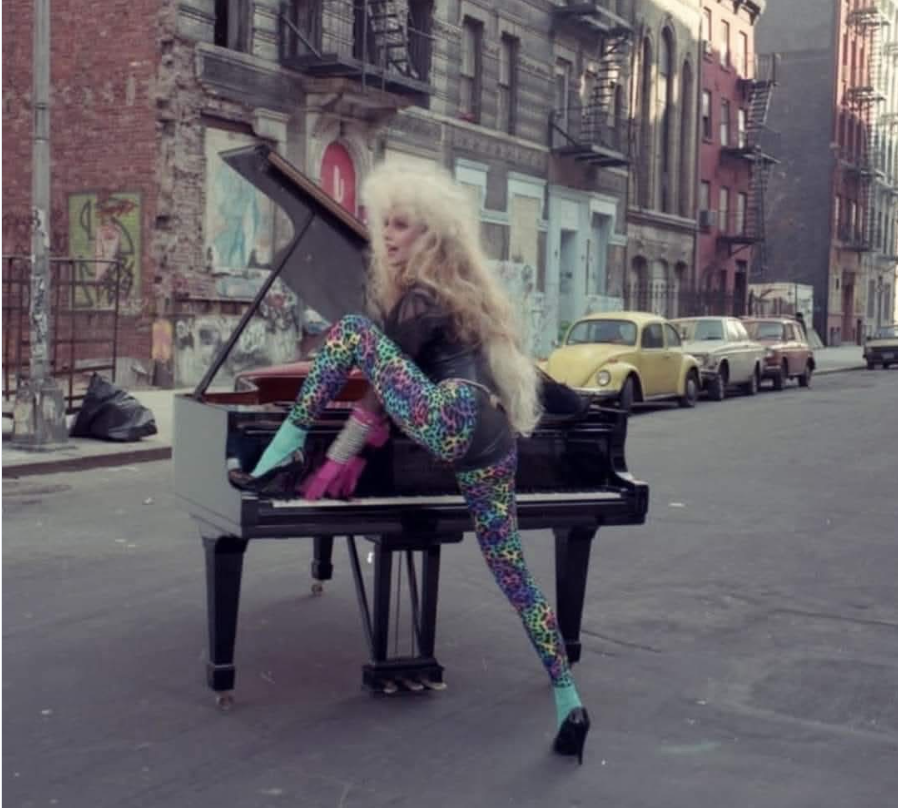
Over the course of her career, Legere (Born on July 4th, 1963) has been a musician, composer, painter, sculptor, writer, filmmaker, actress, and performance artist. Her work has spanned genres and disciplines, from classical music and opera to visual art and experimental theater.
Legere arrived downtown at a time when the East Village was becoming an epicenter of artistic innovation. The neighborhood’s creative energy was fueled not by institutions or major funders but by the artists themselves. The boundaries between artistic disciplines were fluid. Painters formed bands. Musicians staged performance art. Writers became filmmakers. Collaboration was everywhere.
Legere embraced this environment wholeheartedly.
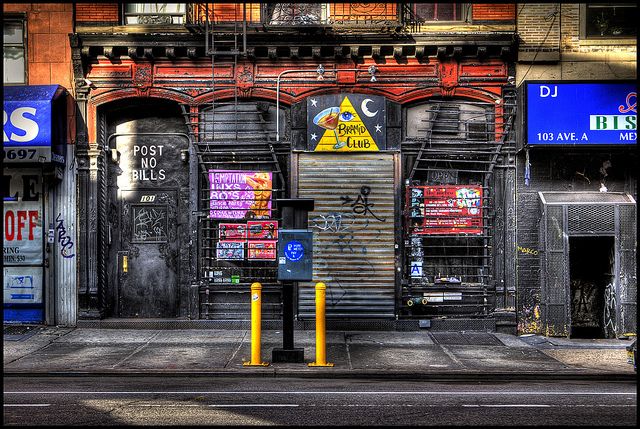
As a young artist, she worked with experimental theater groups, The Wooster Group in particular, and became immersed in the downtown arts scene. She later formed MONAD: The Four Nurses of the Apocalypse, an all-female performance art and music group that became a fixture of the East Village’s underground cultural landscape. The group performed at venues including the legendary Pyramid Club on Avenue A, one of the neighborhood’s most important incubators for artistic experimentation and queer culture.
The Pyramid Club, along with spaces such as Club 57, ABC No Rio, and countless informal performance venues, helped define an era when the East Village became synonymous with artistic risk-taking. As the East Village arts scene flourished, Legere emerged as one of its active participants and innovators.
Phoebe Legere’s story is also inseparable from the East Village’s history as a center of LGBTQ+ culture and artistic expression. During the 1980s, as the AIDS epidemic devastated New York’s creative communities and LGBTQ+ New Yorkers faced persistent discrimination and marginalization, the East Village remained one of the few places where artists could openly explore questions of identity, sexuality, and self-expression.
Openly queer and unapologetically unconventional, Legere was an integral part of that world. She built a career that challenged expectations and celebrated personal freedom. Her performances, visual art, and music frequently blurred boundaries, not only between artistic disciplines but also between traditional notions of gender, sexuality, and identity. In doing so, she reflected a broader culture of experimentation and inclusivity that helped define the East Village during its creative renaissance.
Venues such as the Pyramid Club, where Legere regularly performed, were not only nightlife destinations; they also served as gathering places for LGBTQ+ artists, performers, and audiences who found in the East Village a rare space for community and creative experimentation. The neighborhood fostered an environment in which queer artists could innovate, collaborate, and thrive, shaping cultural movements whose influence extended far beyond downtown Manhattan.
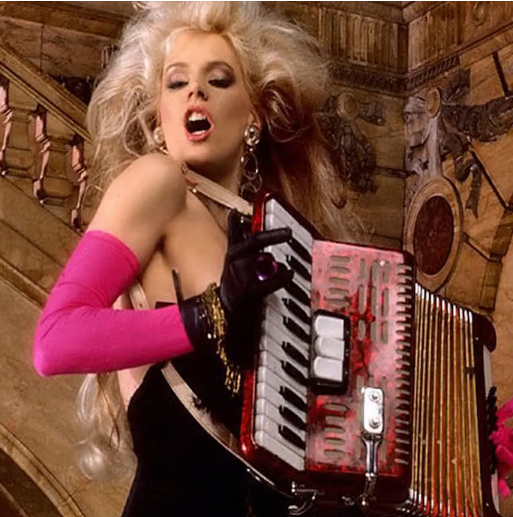
Legere’s career offers a reminder of the profound contributions LGBTQ+ artists have made to the cultural life of the East Village. Her work stands as both an expression of individual creativity and a testament to a neighborhood that nurtured generations of artists whose identities and experiences helped redefine American culture. Through her art and her ongoing efforts to document downtown New York’s creative communities, Legere helps preserve the memory of a transformative era when queer artists helped shape the East Village into one of the nation’s most vibrant centers of cultural innovation.
The neighborhood brought together an extraordinary constellation of creative figures. Artists such as Jean-Michel Basquiat and Keith Haring, performers like Ethyl Eichelberger, writers including Allen Ginsberg, and countless other creators shared the same streets, clubs, galleries, and cafés. In this dense creative landscape, artistic communities overlapped, and new forms of expression emerged.
Legere’s career reflects the influence of that environment. Rather than pursuing a single discipline, she developed what she has called a “Total Art Synthesis,” bringing together music, visual art, theater, literature, and performance into a unified creative practice. This interdisciplinary approach mirrors the culture of the East Village itself, where artistic categories dissolved in favor of experimentation and collaboration.
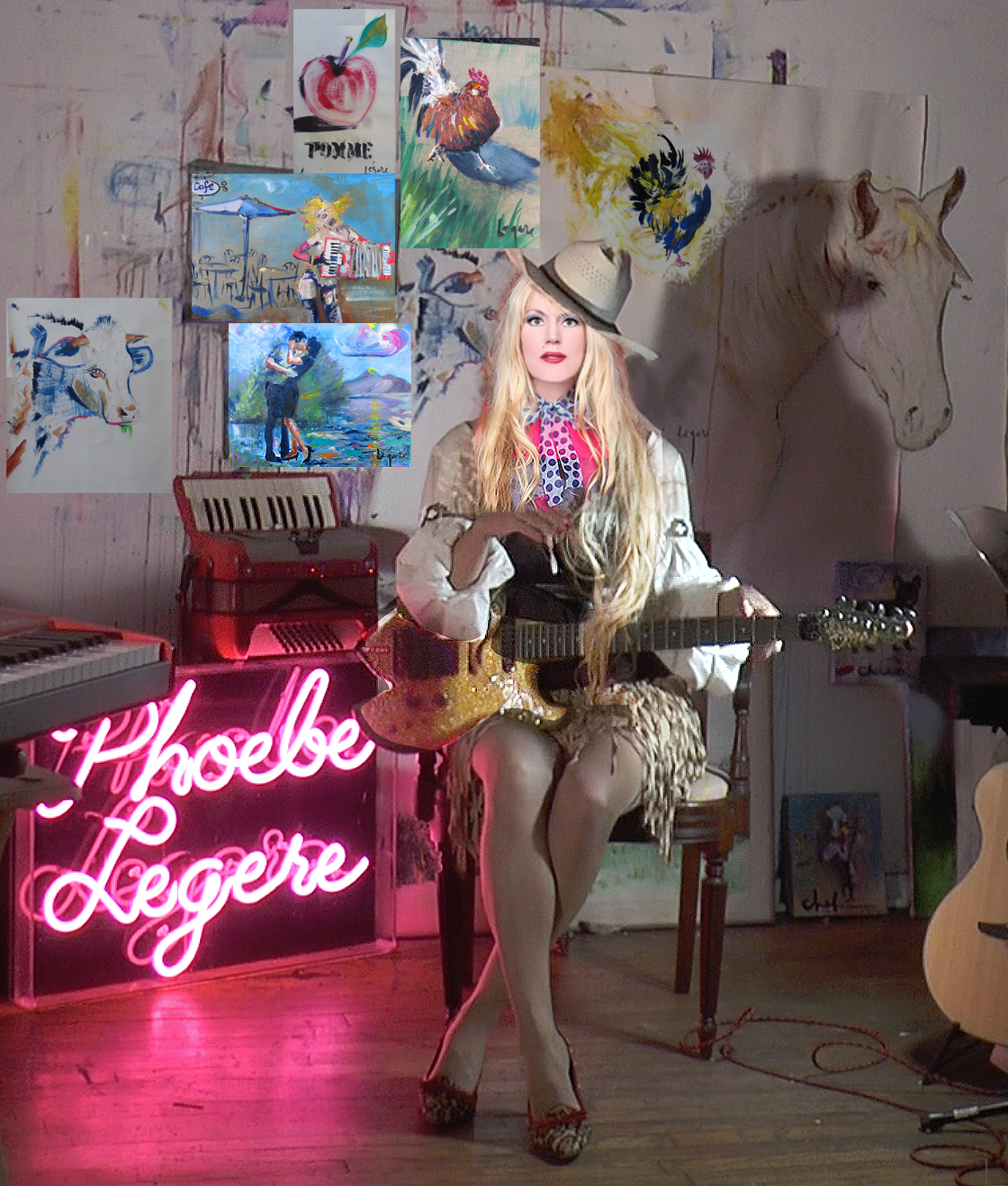
But Legere’s connection to the neighborhood extends beyond her role as a participant. She has also become one of its chroniclers
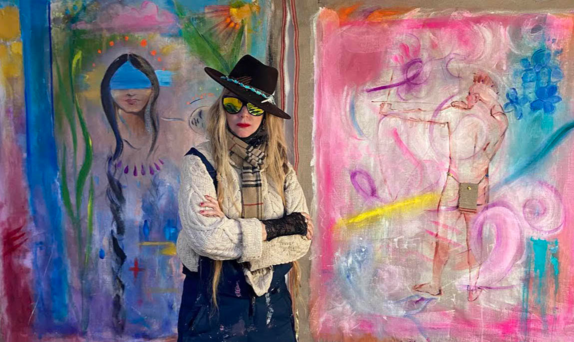
Throughout her career, she has returned repeatedly to the people, places, and creative energy that defined the East Village during its cultural renaissance. Her paintings frequently depict artists, musicians, and performers who shaped the neighborhood’s identity. These works serve not only as artistic expression but as visual records of a remarkable period in New York City’s history.
To learn more about this remarkable artist and her extensive work, you can visit her website.