
Fight for Tenants’ Rights Started in Greenwich Village
At the dawn of the 20th century, Greenwich Village was a densely populated immigrant neighborhood, a mix of mainly Italian, Jewish, Irish, German, Spanish, and Chinese newcomers who together faced overcrowding, unsanitary housing, and exploitative landlord practices. Social worker Mary Kingsbury Simkhovitch founded Greenwich House in 1902 at 26 Jones Street to tackle these systemic hardships. Inspired by settlement-house models, she aimed to address practical needs and social justice through education, housing assistance, and public health programs.
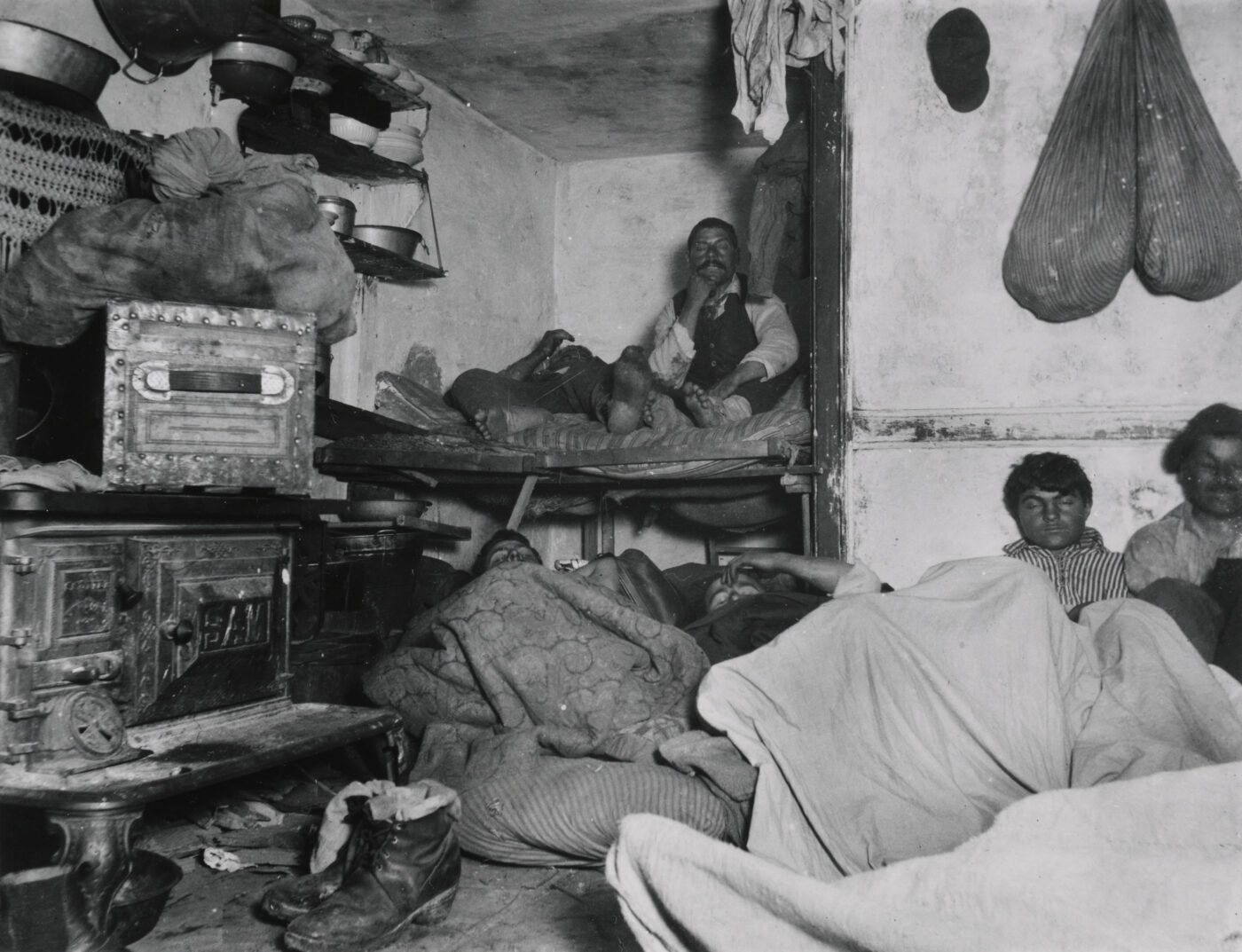
A year later, Greenwich House’s Social Investigation Committee published the Tenant’s Rights Manual (1903), the first such guide in the nation to document tenement laws and tenant protections. The manual offered clear legal guidance and empowering language to help residents assert their rights amid negligent landlords and hazardous living conditions.
The manual was a groundbreaking document for the city’s working-class residents, distilling legal codes and housing ordinances into accessible language. For example, the document detailed the requirements of the 1901 Tenement House Act (including mandates for fire escapes, indoor toilets, light and air shafts, and limits on room occupancy) and explained how tenants could use these standards to demand improvements. The manual also helped tenants understand their basic rights regarding evictions and rent obligations, empowering them to push back against exploitative practices.
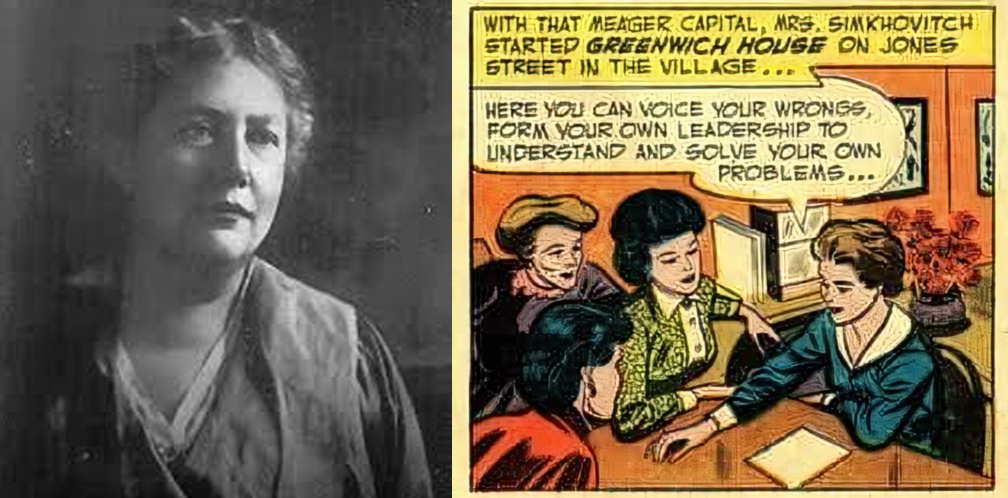
Equally important, the Tenant’s Rights Manual functioned as a tool for organizing and civic participation. It bridged the gap between policy and daily life, transforming the passive tenant into an informed citizen with agency in the urban reform movement through collective advocacy. Actions sparked by the manual’s guidance included forming building committees, attending neighborhood association meetings, and writing complaints to the city’s Tenement House Department. Simkhovitch recognized that systemic change could only occur with both legal awareness and coordinated action. In doing so, the manual laid the foundation for tenant organizing in New York and set a precedent for housing-justice literature nationwide.
Simkhovitch also established the Greenwich Village Improvement Society, the nation’s first neighborhood association of its kind, which disseminated the Tenant’s Rights Manual and mobilized local residents around sanitation, housing conditions, and public health improvements. These collective efforts led to the rise of advocacy by tenants on their own behalf in Greenwich Village and beyond.
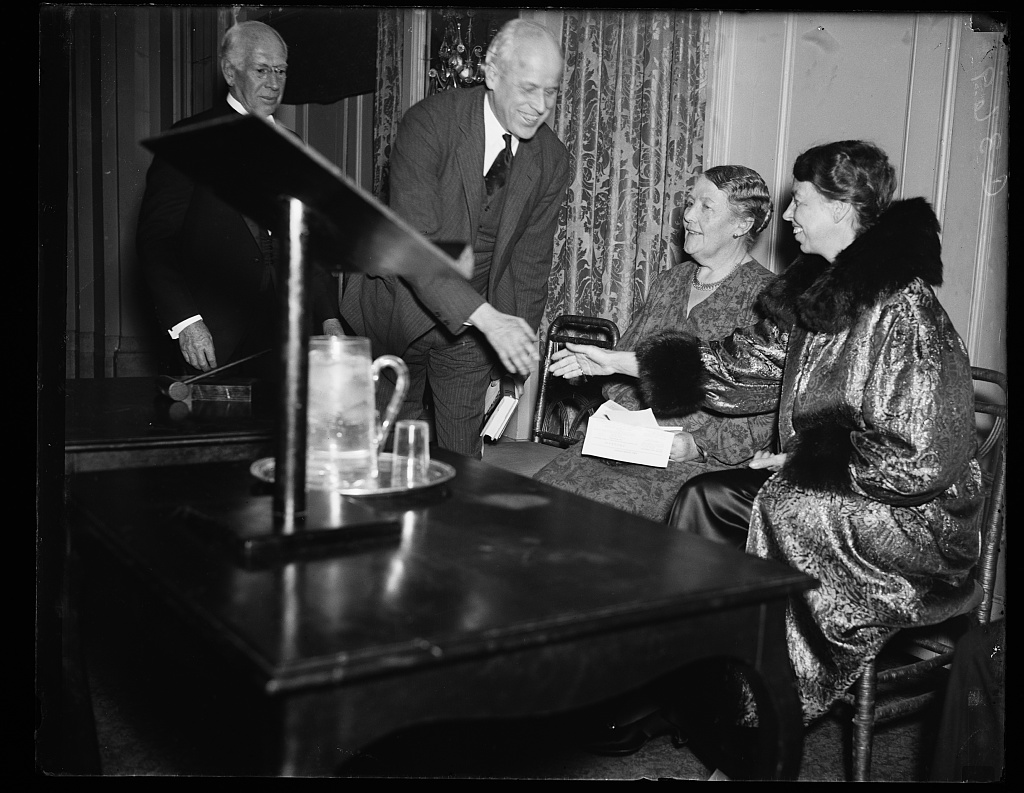
As the 20th century progressed, these early sparks of activism evolved into more formalized neighborhood associations. In the 1930s and 1940s, tenant unions became increasingly vocal in the Village, organizing rent strikes and lobbying for the 1943 rent-control law. These organizing efforts helped solidify a tradition of civic engagement in the neighborhood; tenants started to view themselves as not just as renters but stewards of their buildings and blocks as well. The postwar era brought both pressures and opportunities: artists, students, and political activists flocked to the Village, bringing renewed energy but also new threats in the form of urban renewal and rising rents.
In response, tenant groups aligned with preservationists and urbanists in the 1950s and 1960s, notably opposing Robert Moses’ efforts to carve a highway through the Village and SoHo. Organizations such as the Cooper Square Committee, co‑founded by Frances Goldin, were established to fight plans that would demolish thousands of tenement units. The Village Independent Democrats, tenants’ councils, and figures like Jane Jacobs joined forces to advocate for human-scale planning and rent protections. These alliances signaled a shift: activism around tenant rights was no longer only about resisting landlord abuses. Rather, it became part of a larger fight to preserve the neighborhood’s identity, culture, and architectural heritage, an effort that continues to this day through the work of Village Preservation and other organizations.
Read more about Simkhovitch and the Greenwich House, located at 27 Barrow Street since 1918, on our website, where you can also learn about Village Preservation’s campaigns.