
The Immigrant Heritage of the Western Waterfront
The anniversary of the sinking of the Titanic and Immigrant Heritage Week, both of which occur in mid-April, offer a powerful lens through which to understand how immigrant communities not only shaped the Village, but also powered the maritime economy that defined New York as a global port. Greenwich Village’s western edge, where cobblestone streets once met the busy piers of the Hudson River, was, for much of the 19th and early 20th centuries, a front line of arrival, labor, and cultural exchange.
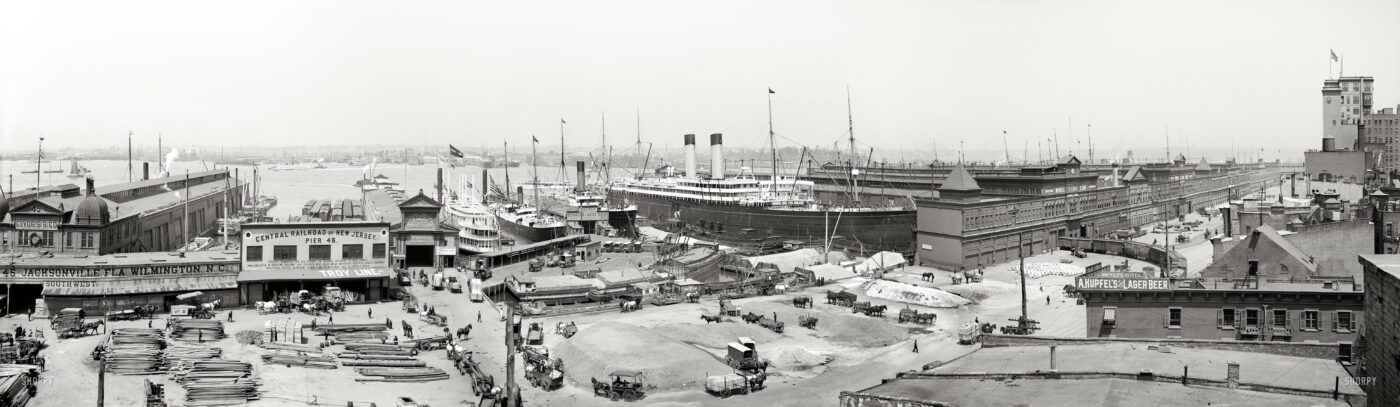
Before container ships and modern ports shifted maritime activity elsewhere, the Hudson River waterfront in Greenwich Village and the adjacent Meatpacking District was a dense and industrious landscape of piers, warehouses, and markets. Ships arrived daily carrying goods and people from across the Atlantic and rest of the country. Many of those who disembarked in New York, whether processed through Ellis Island or earlier through Castle Garden, found their way to the Village’s west side, where work was plentiful, if grueling.
The labor demands of the waterfront were immense. Longshoremen loaded and unloaded cargo, sailors signed on for voyages, and workers processed everything from foodstuffs to manufactured goods. These jobs were often filled by newly arrived immigrants, particularly Irish, German, and later Italians, who formed the backbone of this maritime workforce.
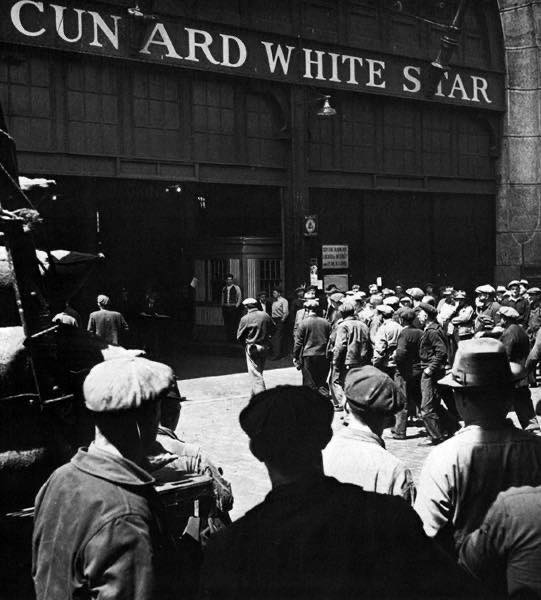
By the mid-19th century, Irish immigrants, many fleeing the Great Famine, had become a dominant presence along the Hudson waterfront. They settled in nearby tenements and worked as dock laborers, a job that required strength, endurance, and a willingness to endure dangerous conditions.
The piers along the Hudson were loosely organized, and employment could be inconsistent. Workers gathered daily in the hope of being selected for a day’s labor—a system that fostered both solidarity and competition. Over time, Irish longshoremen helped form some of the earliest labor organizations on the waterfront, advocating for better conditions and more regular employment.
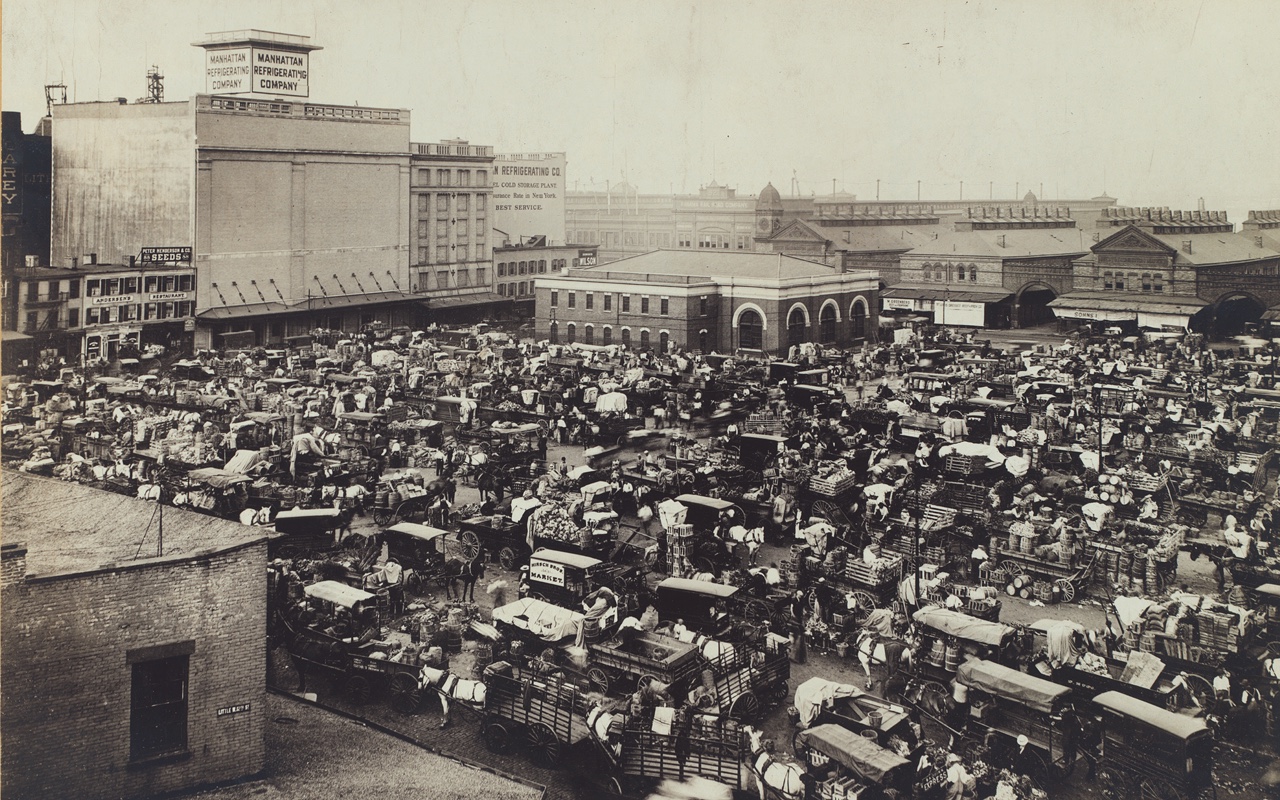
German immigrants, another major group in the Village during the 19th century, often found work connected to food distribution and processing. This was especially true around the area that would become the Gansevoort Market, established in the mid-1800s to support the growing city.
Ships arriving at nearby piers carried perishable goods, from meat and dairy to fresh produce, that needed to be quickly transferred, processed, and sold. German butchers, grocers, and laborers played a key role in this system, helping transform the waterfront into a vital hub of New York’s food supply chain.
By the late 19th and early 20th centuries, Italian immigrants became an increasingly visible presence in Greenwich Village and on its waterfront. Many settled in the South Village, within walking distance of the docks.
Italian workers took on a range of roles: longshoremen, fishermen, dockhands, and small business owners supplying maritime needs. Their labor coincided with a period of peak maritime activity in New York, when the port was one of the busiest in the world.
They also contributed to the cultural fabric of the neighborhood, establishing churches, social clubs, and mutual aid societies that provided support in an often-precarious economic environment.
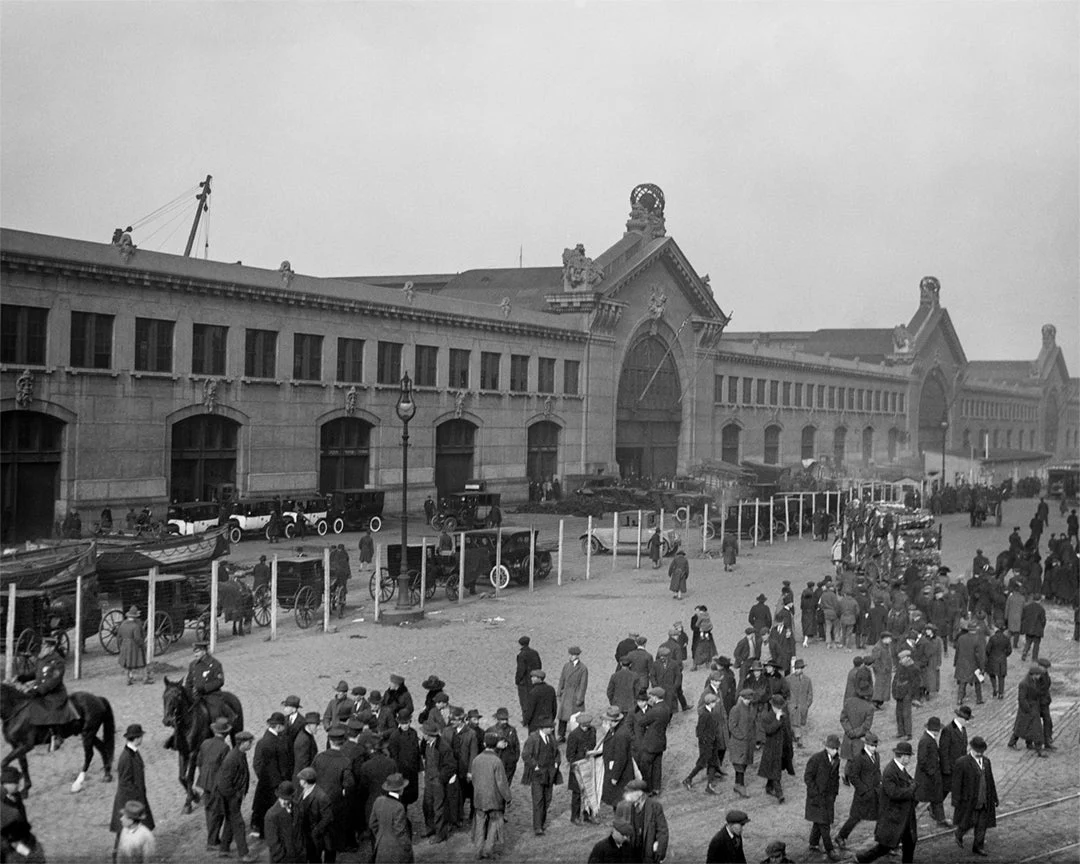
The Hudson River waterfront was not just a place of local labor. It was a gateway to the world. The great liners such as Titanic (if she had made it to New York in April 1912) docked at the incredibly advanced passenger facilities such as the original Chelsea Piers complex. Goods moving through the other piers connected Greenwich Village to global trade networks. Coffee from South America, manufactured goods from Europe, and raw materials from across the United States all passed through this corridor.
Major shipping lines operated along the Hudson, and the constant movement of cargo required a vast and flexible workforce. Immigrant labor made this system possible. In many ways, the economic rise of New York as a port city is inseparable from the contributions of these communities.
The mid-20th century brought profound changes. Advances in shipping technology, especially containerization, rendered many of Manhattan’s piers obsolete. Maritime activity gradually shifted to larger, more modern ports in New Jersey and elsewhere.
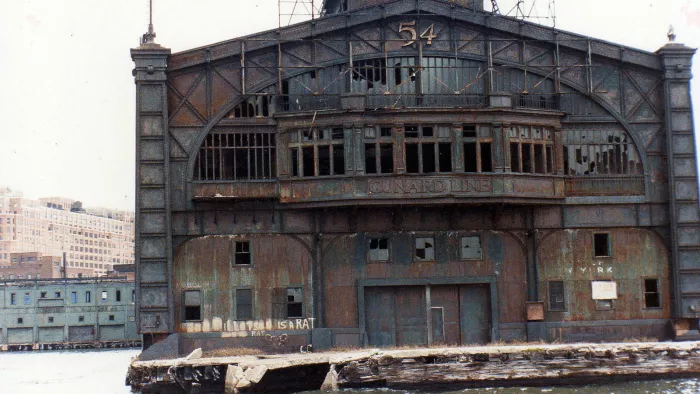
As the working waterfront declined, so too did the industries that had sustained generations of immigrant families. The piers fell into disuse or were demolished, and the neighborhoods nearby began to transform. What had once been a landscape of hard labor and constant motion became, over time, a place of recreation, tourism, and preservation.
Today, remnants of this past can still be found in the streets and structures of the Village’s west side, as well as in institutions like the Hudson River Park, which now occupies much of the former waterfront.
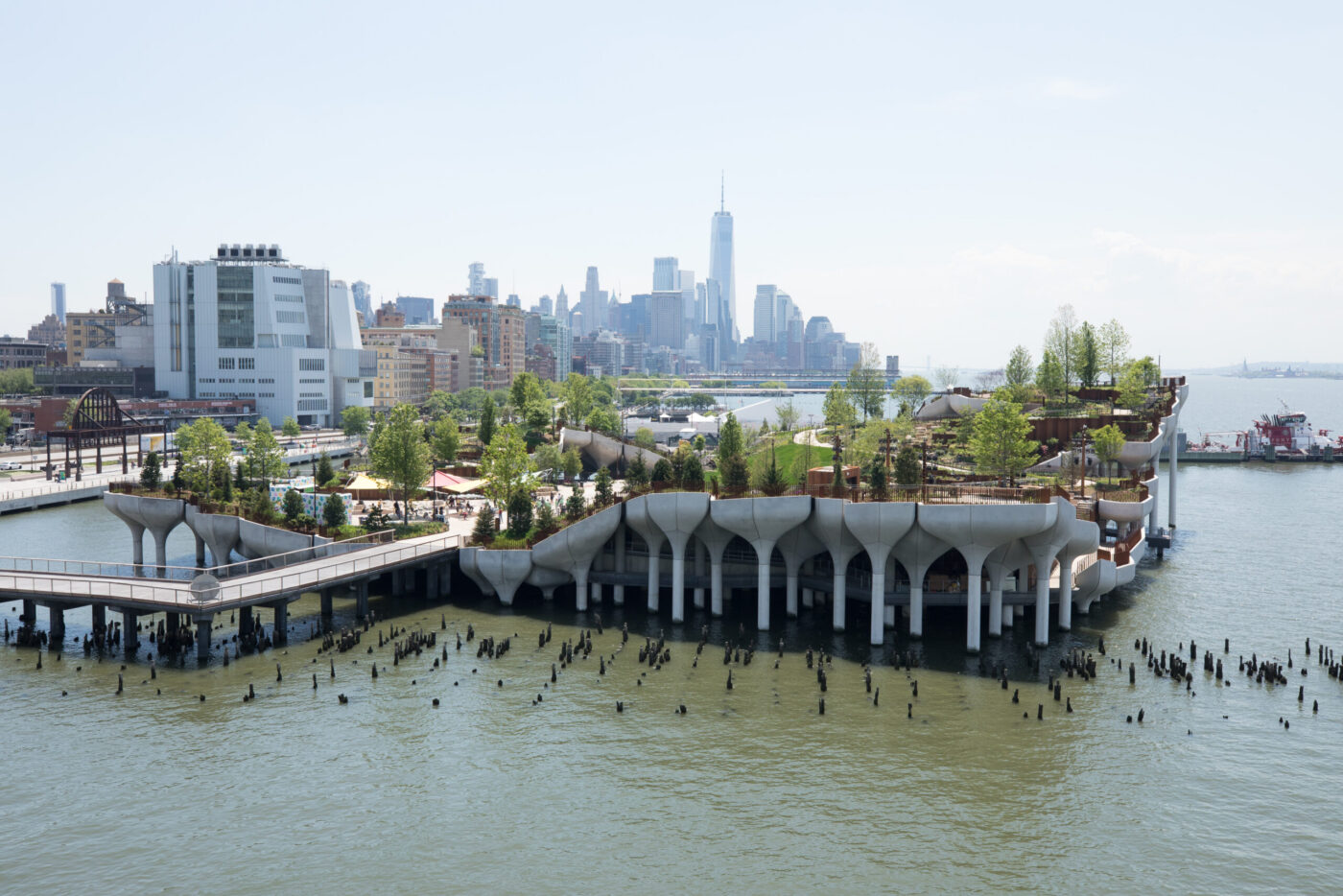
For Immigrant Heritage Week, the story of Greenwich Village’s Hudson River waterfront reminds us that the neighborhood’s identity was forged not only in its salons, theaters, and political movements, but also on its docks and piers.
The immigrant communities who lived and worked here brought skills, resilience, and cultural traditions that shaped both the local neighborhood and the global city it served. Their labor powered the ships, stocked the markets, and built the networks that made New York a center of commerce and opportunity.
Though the ships have largely disappeared and the piers have been transformed, the legacy of this immigrant waterfront endures from remnants in the built environment and the cultural memory of the Village to the ongoing story of New York as a city of arrivals.
This is an excellent overview of a Greenwich Village waterfront marked by violence and corruption but also by the grace and determination who lived and worked there under conditions compared by one historian to slave labor. For a deeper dive into the lives of the men and women who toiled, stuggled and ultimately triumphed there, I recommend Bob O’Brien’s novel House of Farrell.