
A Vanished Skyscraper and the Rise of Historic Preservation
When the Singer Building rose in stages between 1897 and 1908, it briefly crowned the Lower Manhattan skyline with one of the city’s most ornate vertical statements: a richly detailed, slender tower designed for the Singer Sewing Machine Company by the Beaux-Arts architect Ernest Flagg. Less than sixty years later, the tower was intentionally demolished (the tallest intentionally demolished structure in the world until the Union Carbide Building’s demise in 2020) to make way for a modern office block — a loss that helped crystallize the urgency of historic-preservation efforts in New York.
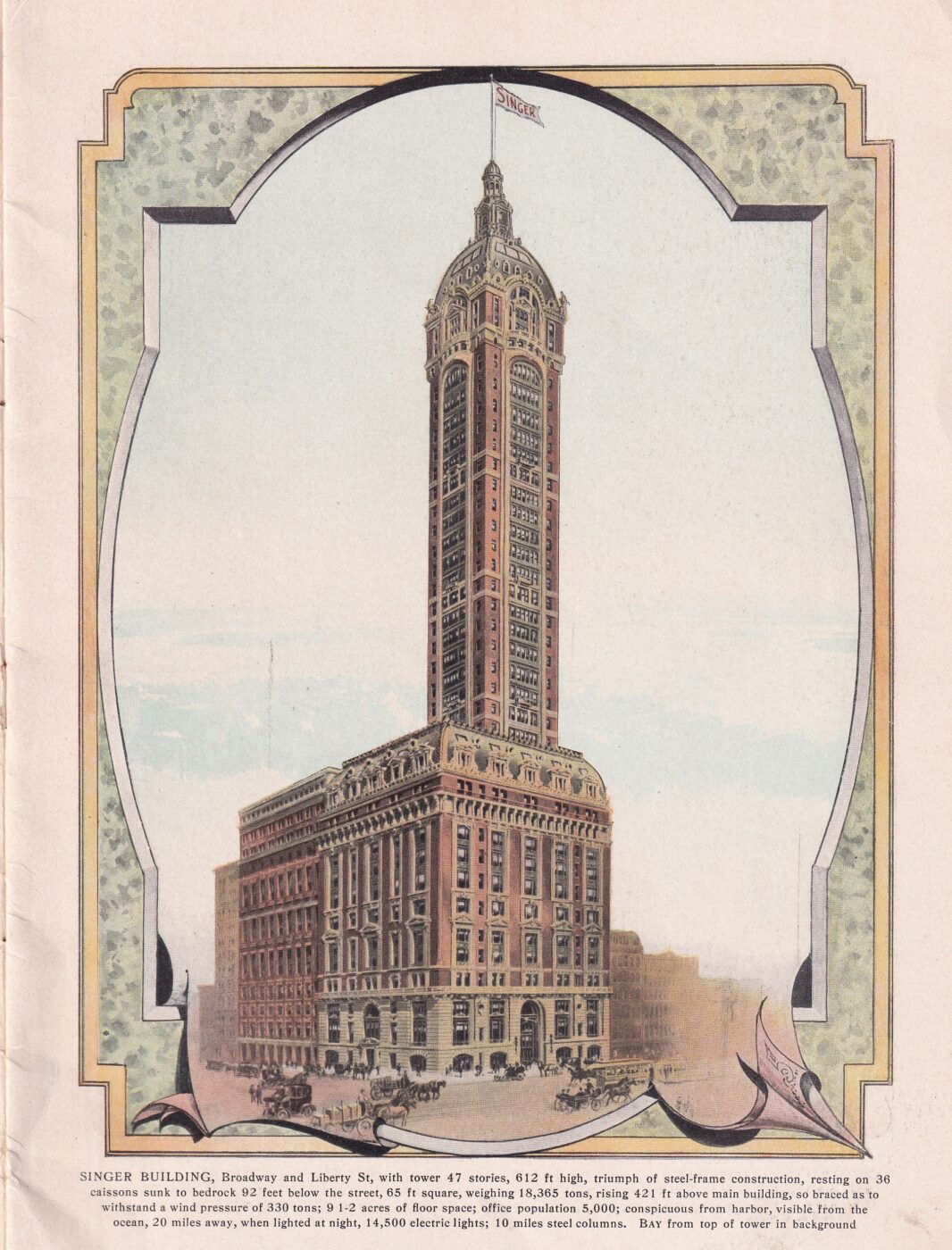
Completed in 1908, the Singer Tower reached some 612 feet, and for a short time held the title of the world’s tallest building. It combined a broad low-rise base with a highly ornamented, much narrower tower — balconies, carved stonework, and ironwork that announced both the company’s brand and the architect’s fondness for European decorative practice. The tower’s graceful verticality and ornate treatment made it a favorite subject of postcards and architectural comment in its day.
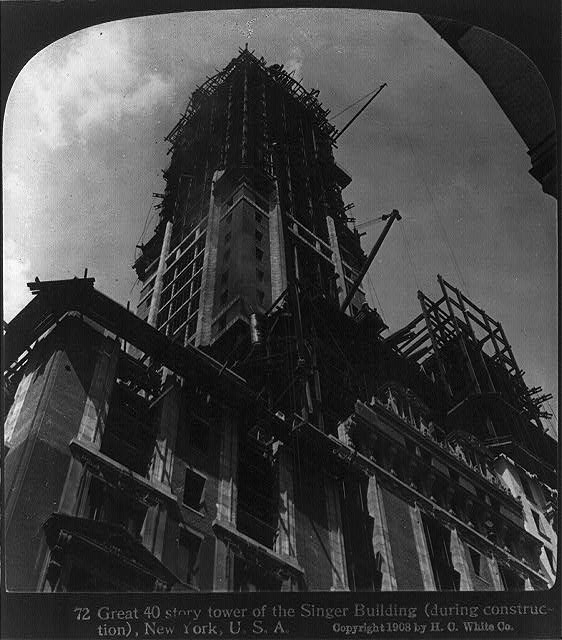
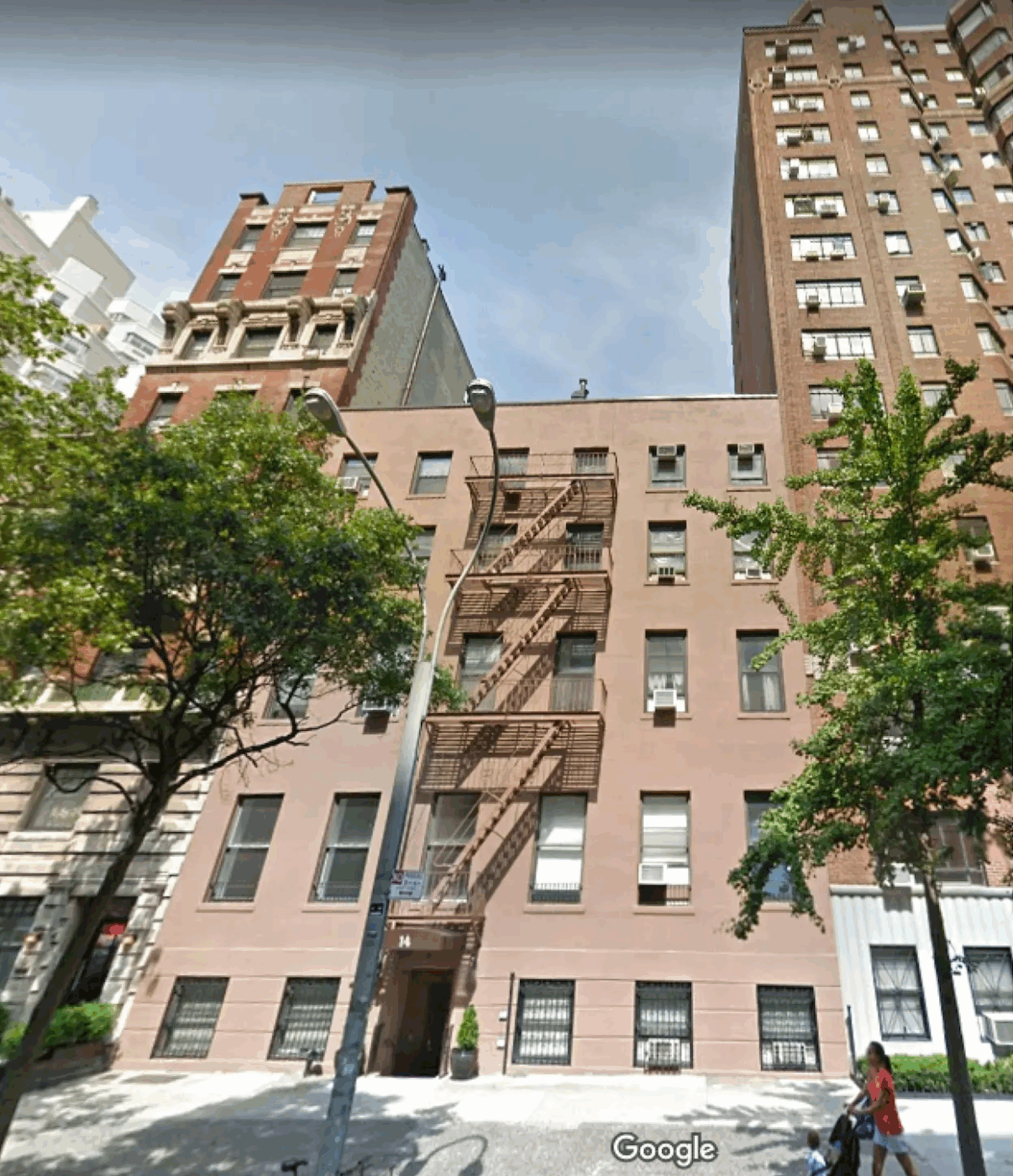
Built as the new headquarters for the Singer Sewing Machine Company, this Beaux Arts masterpiece may have been located in Lower Manhattan, but its links to the Village are strong. Isaac Merritt Singer, the company’s founder, was once a Village resident. Around 1859, Singer purchased a townhouse (alao now demolished) at 14 Fifth Avenue.
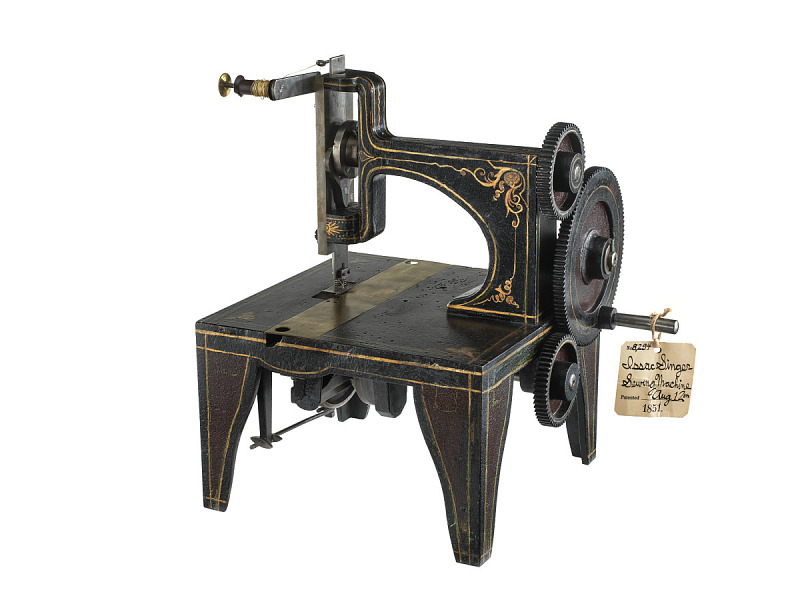
The fortune that allowed him to purchase his home was built on Patent No. 8,294, for an improved commercial sewing machine, that he received on August 12, 1851. Isaac Singer passed away in 1875, but the Singer Company continued to growing into one of the greatest multinational corporations.
By the end of the nineteenth century the Singer Manufacturing Company was ready to make a statement with a new global headquarters. The architect Ernest Flagg was chosen to build what would become one of the most iconic lost buildings of Gilded Age New York.
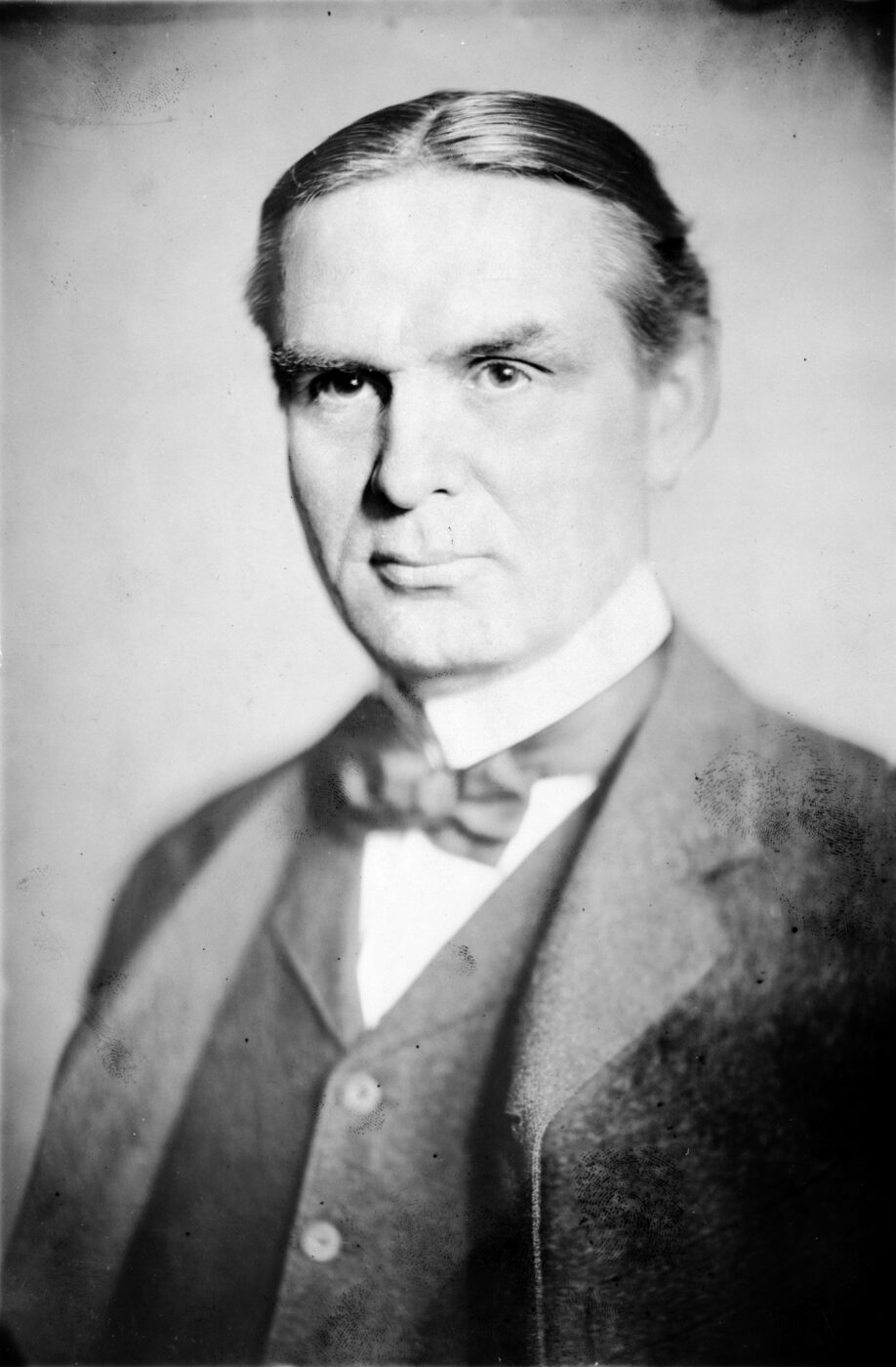
Ernest Flagg (1857–1947) trained at the École des Beaux-Arts and became known for historicist, highly detailed designs and for writing about building standards and urban design. Although the Singer Tower itself stood in the Financial District at Broadway and Liberty Street, Flagg’s work extends into neighborhoods that sit on the fringes of Greenwich Village:
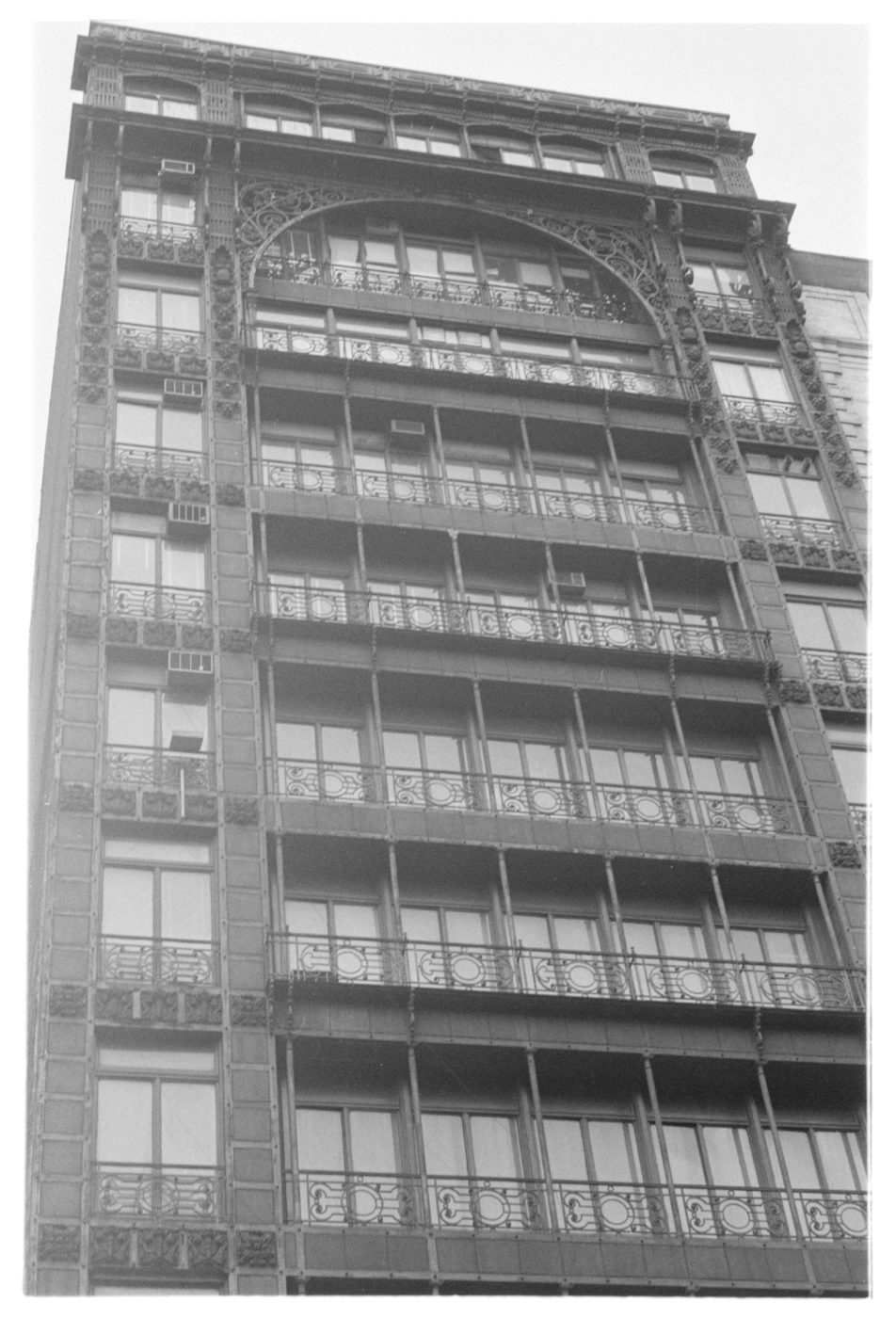
The “Little Singer” building, 561 Broadway (Broadway & Prince Street). Built a few years before the tower and often called the Little Singer Building, this L-shaped Beaux-Arts commercial structure by Flagg remains on Broadway near Soho/Greenwich Village and provided design cues (iron balconies, abundant glazing) that Flagg later echoed at the tower.
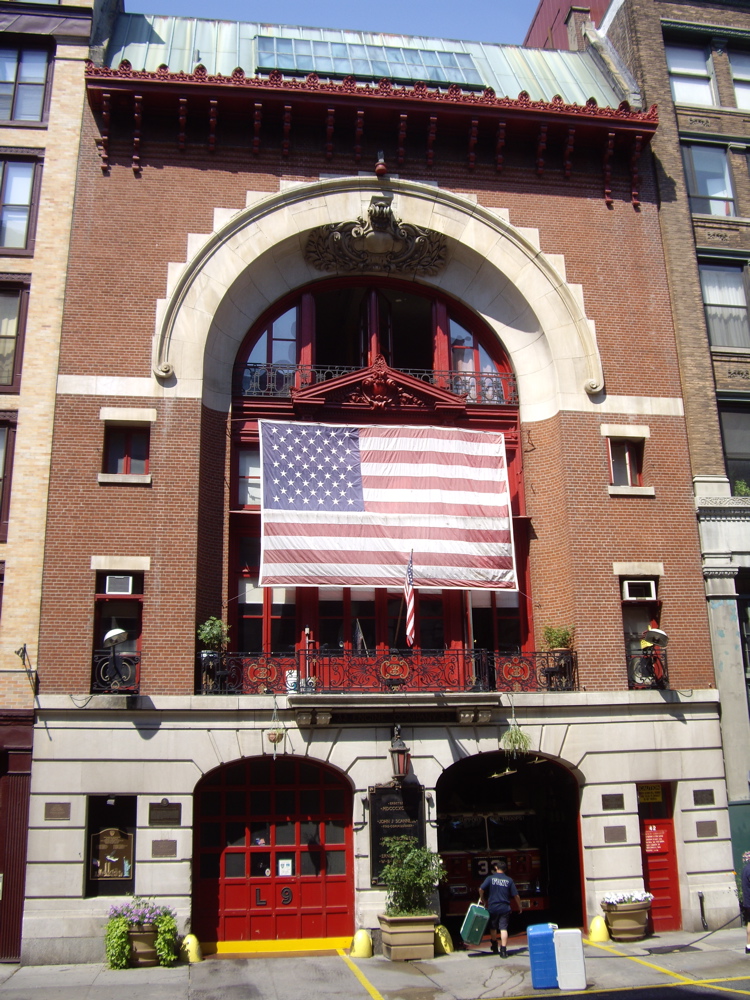
Engine Company 33 (42–44 Great Jones Street). A French Beaux-Arts firehouse attributed to Flagg (with W. B. Chambers) in NoHo; it’s an example of Flagg’s civic-scale commissions in the area.
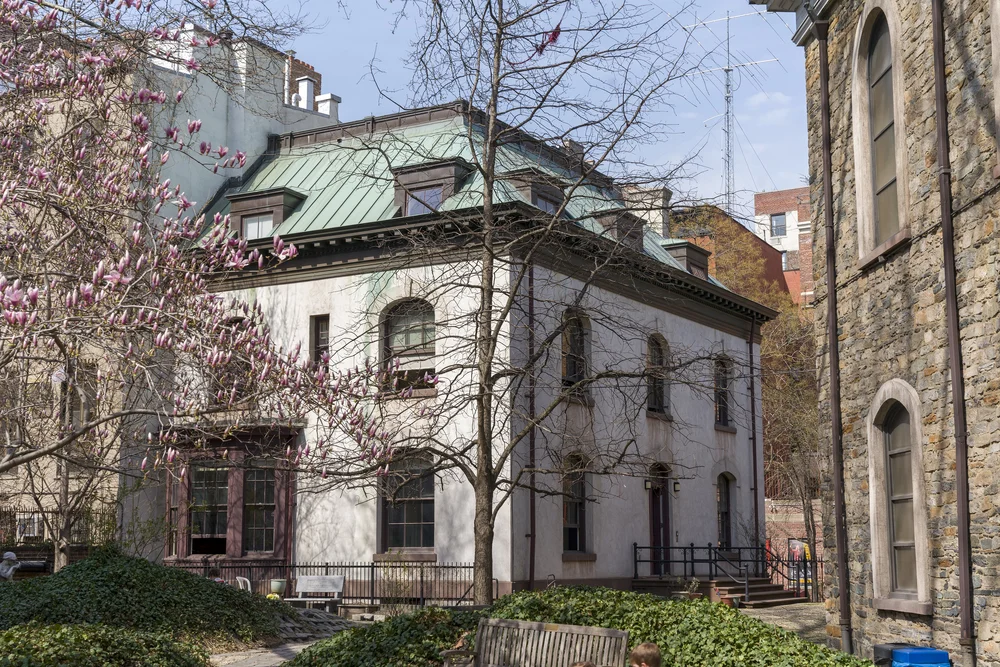
Even Village Preservation has a special connection to Ernest Flagg. The St. Mark’s Church in-the-Bowery Rectory Building was designed by Flagg, and is where Village Preservation has had its offices since 1999.
Put simply: while the Singer Tower was downtown, Flagg’s footprint and design language are visible in buildings that Greenwich Village and NoHo residents can still see today — and those works help explain why the story of the Singer Building matters to Village history.
In the late 1960s the Singer Building was sold and the owners decided to replace it with a modern corporate tower (what became One Liberty Plaza). Demolition began in 1967 and ran into 1968; at the time the removal of such a tall structure was unprecedented, and drew public notice as well as regret. The New Yorker and architecture commentators of the era treated the demolition as symptomatic of a wider cultural reckoning — progress and economics versus memory and craftsmanship.
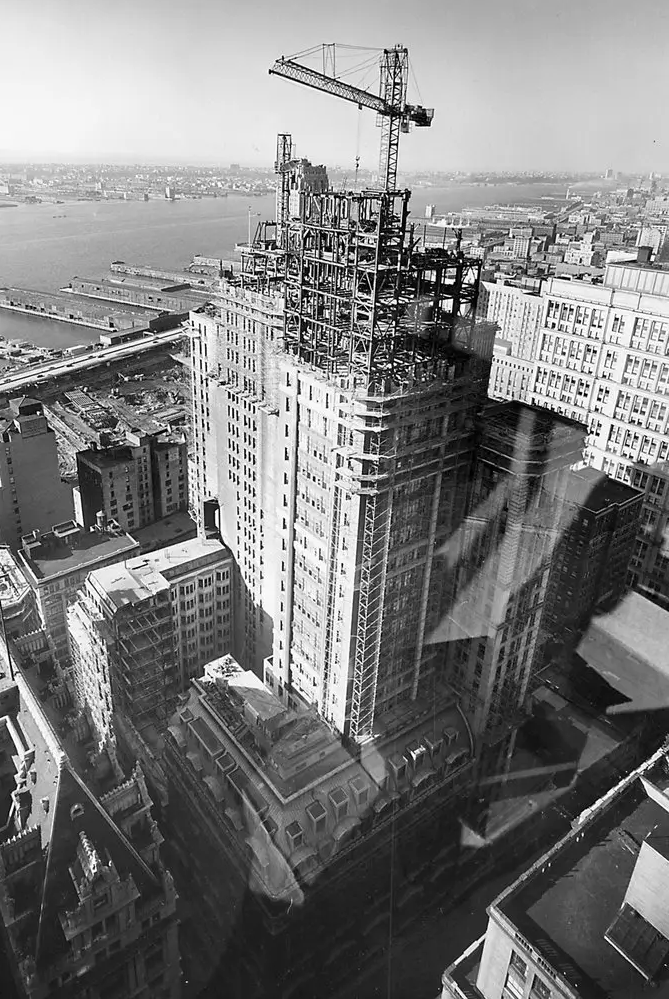
The public fury and grief over the loss of other great landmarks — especially Pennsylvania Station (razed 1963) — had already set the stage for institutional change. The Landmarks Preservation Commission (LPC) was created in 1965, but the Singer Building’s removal showed the early LPC and preservationists that legal recognition alone would not automatically save buildings. In practical terms the Singer case highlighted gaps that activists and later lawmakers had to fill, including stronger local landmark designations and grassroots political power.
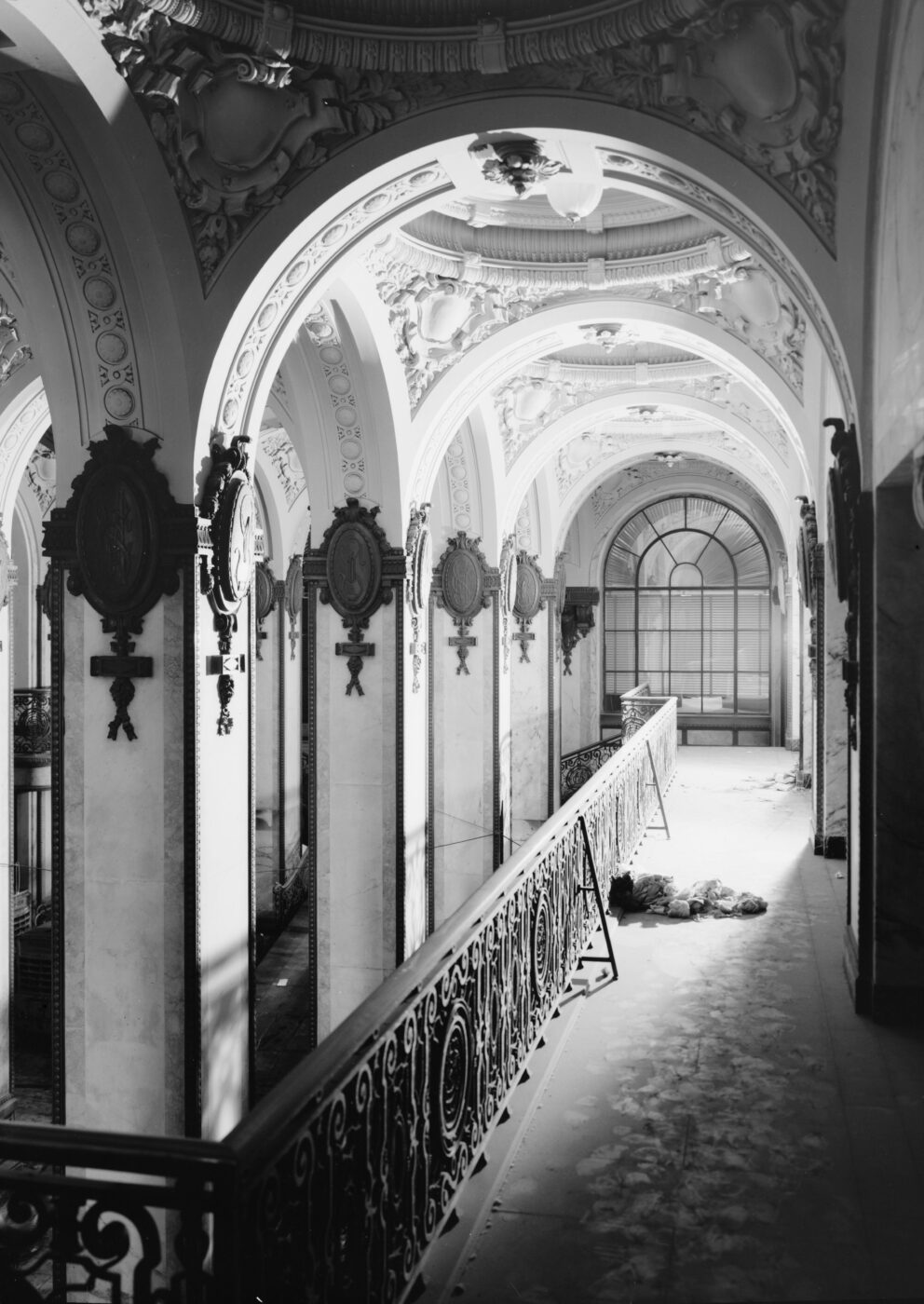
This energized Greenwich Village locals who played a central role in the broader preservation movement: from campaigns to save Jefferson Market Courthouse to Jane Jacobs. The combined effect of losing grand buildings like Penn Station and the Singer Building, alongside neighborhood victories in places like the Village, bolstered public support for preserving the city’s architectural memory.
Today Flagg’s surviving buildings near the Village and the history of the Singer Manufacturing Company serve as reminders. The Little Singer and other Flagg buildings in the area provide us with a tangible link to lost grandeur, the living streets of our neighborhoods, and to preserving those important pieces of the past for future generations.
Our Dad worked at the Singer Building in the ‘50’s and early ‘60’s. It was a beautiful building and fabulous architecture.