
Exploring South of Union Square Artists at the Whitney
The area South of Union Square is where the story of modern American art took shape. From the late 19th century through the 20th, this small area of Greenwich Village and the East Village, stretching roughly from Third to Fifth Avenues and 8th to 14th Street, was home to a stunning array of artists who founded and defined major movements, from Social Realism and the New York School to Abstract Expressionism and Pop Art. Hundreds of artists flocked to the neighborhood, seeking afforable spaces that they could adapt to accommodate their studio needs, with amenities like oversized industrial windows and tall lofted ceilings.
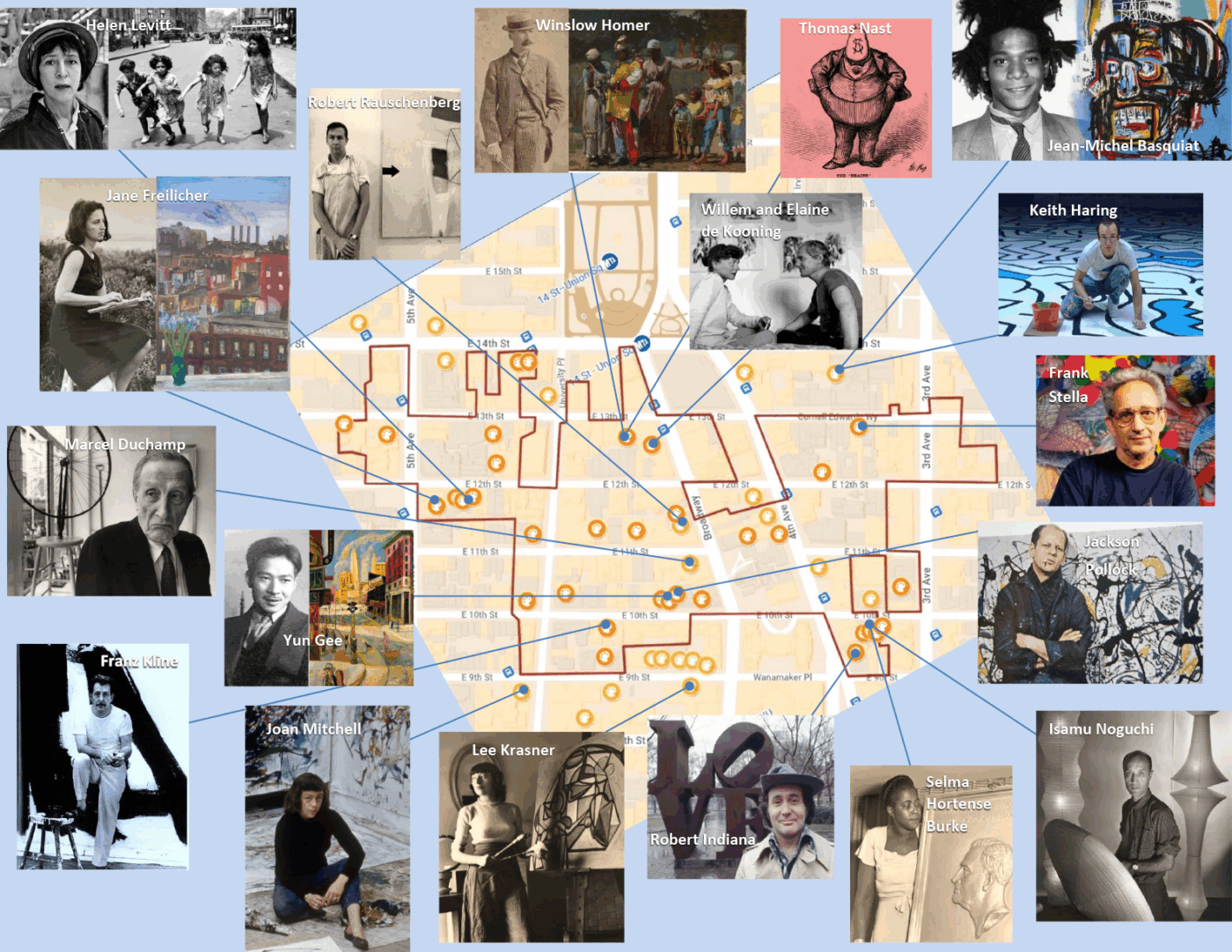
You can read Village Preservation’s report on these artists and artistic movements, which includes detailed maps, timelines, historic photographs, and tons of research, by clicking here.
Another wonderful way to explore some of these artists’ works is by visiting a current font of culture that has deep roots in our neighborhood: the Whitney Museum of American Art. Many of the artists who lived and worked South of Union Square are now represented in the permanent collections of the Whitney Museum, offering a direct link between the neighborhood’s historic significance and the art world today.
Willem and Elaine de Kooning
Perhaps no name looms larger over this neighborhood than Willem de Kooning, who lived and worked at 88 East 10th Street in the 1950s, during the rise of the Abstract Expressionist movement. It was here that de Kooning worked on his groundbreaking Woman series, which redefined American painting. His wife and fellow artist, Elaine de Kooning, also thrived here, balancing abstract and figurative styles and gaining recognition in her own right.
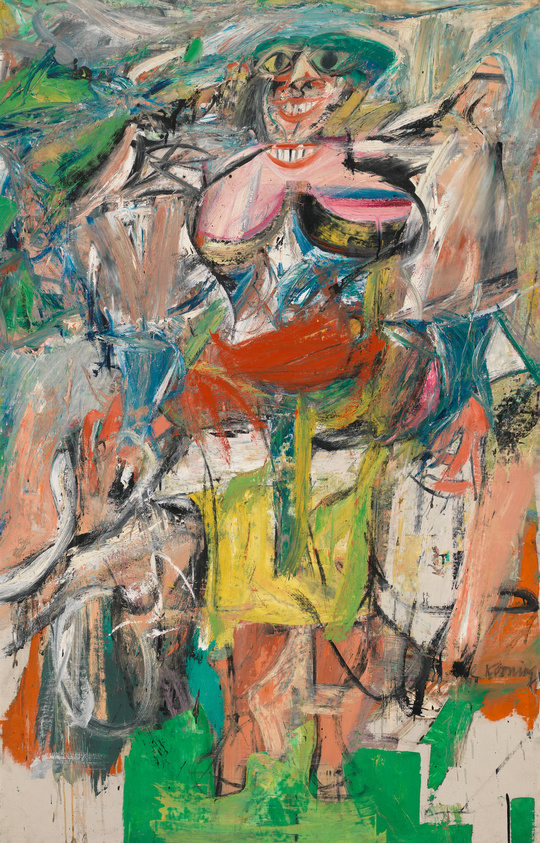
The Whitney’s collection includes numerous works by Willem de Kooning, which embody the explosive energy that characterized the East 10th Street scene.
The de Koonings later each moved to and had studio space at 827-831 Broadway, a pair of 1866 cast-iron loft buildings that hold an extraordinary place in the history of modern art, having also served as the homes and studios of other great art world figures including Jules Olitsky, Paul Jenkins, Larry Poons, Herbert Ferber, and William S. Rubin. The buildings were slated for demolition in 2016 when Village Preservation waged a successful campaign to have them landmarked and protected.
Jackson Pollock
Before becoming one of the most influential and notable American painters of the 20th century, Jackson Pollock spent his early years in the neighborhood, living at 49 East 10th Street, frequenting the Cedar Tavern, and even selling sketches near Washington Square Park. It was during his formative years in the neighborhood that he began to explore the drip-painting techniques that would later shake the art world.
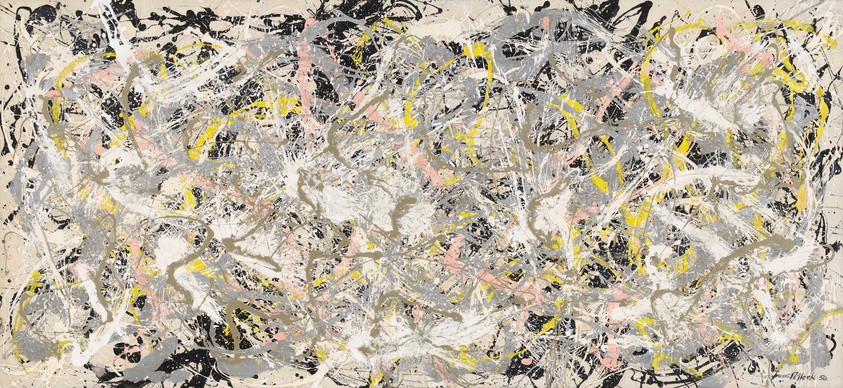
Pollock’s iconic canvases are now a cornerstone of the Whitney’s holdings, reflecting the innovative spirit that South of Union Square nurtured.
Franz Kline
At 32 East 10th Street in the 1950s, Franz Kline produced some of his boldest black-and-white abstractions. A regular at the Cedar Tavern and a founding member of “The Club,” Kline embodied the collaborative, experimental ethos of the area.
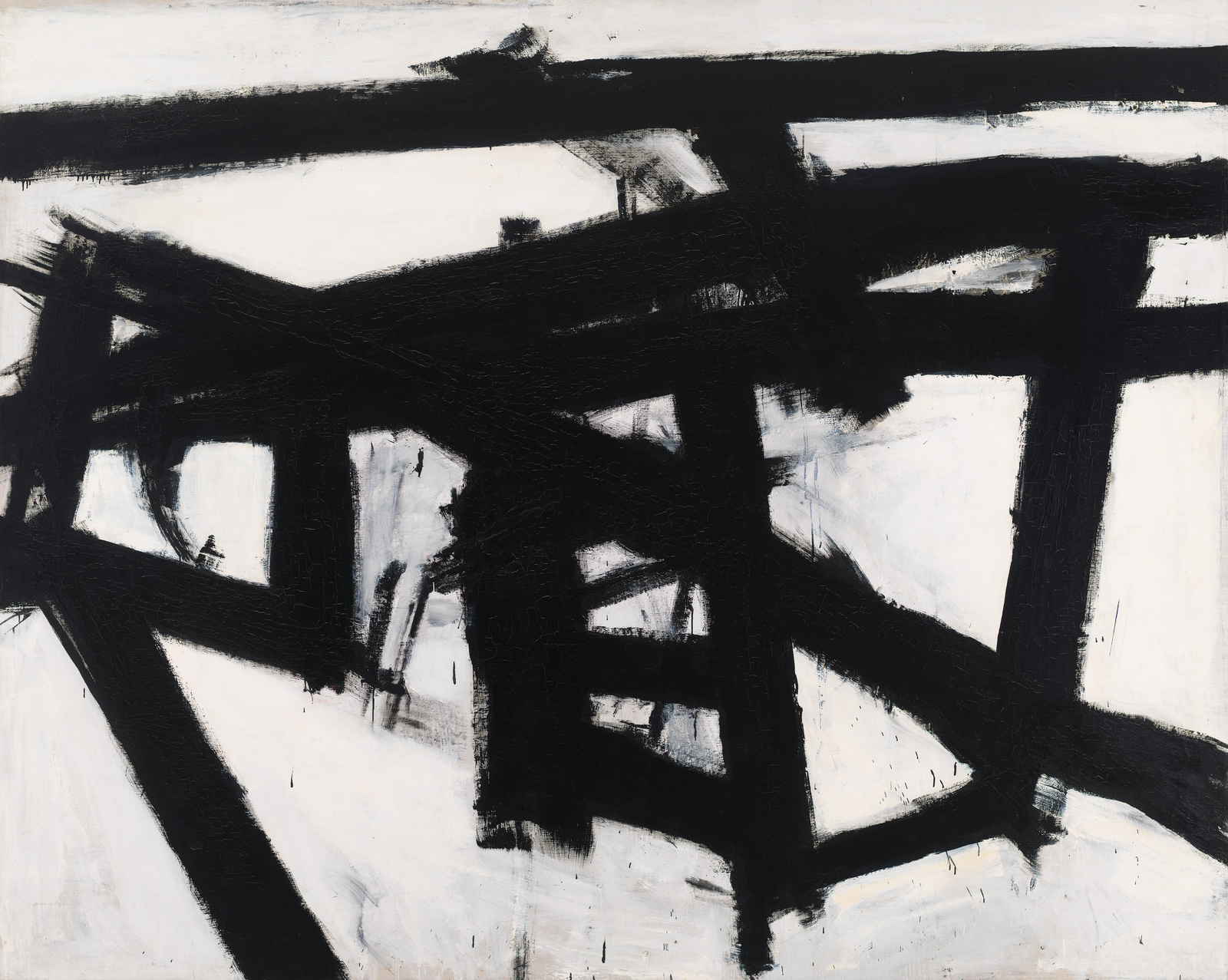
The Whitney’s collection preserves several of Kline’s works, offering visitors a glimpse into the gestural, high-energy style that marked the height of Abstract Expressionism.
Jane Freilicher
Living for decades at 49-51 Fifth Avenue, Jane Freilicher was part of the New York School, maintaining close relationships with fellow creatives, like poets Frank O’Hara and Kenneth Koch. Unlike some of her contemporaries, Freilicher leaned into quiet, painterly still lifes and landscapes that captured the intricacies of her surroundings.
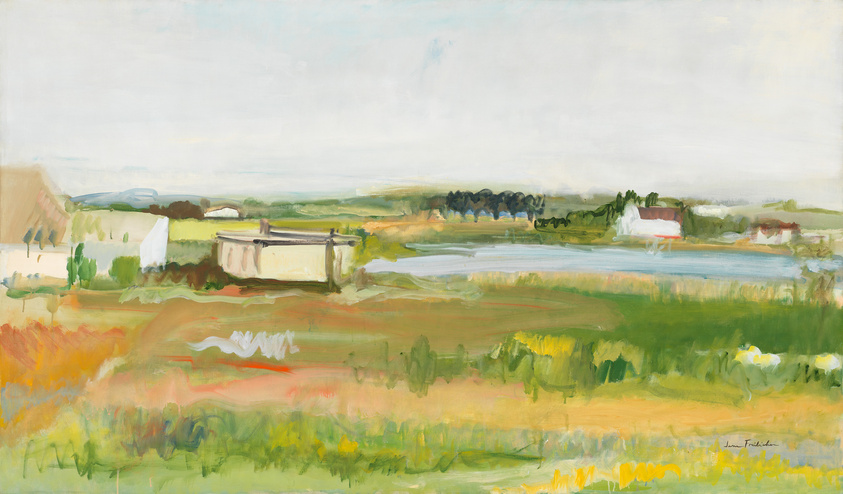
The Whitney holds multiple works by Freilicher, celebrating her contributions to both abstraction and realism, and her deep connection to the artistic community South of Union Square.
Helen Levitt
Renowned for her street photography, Helen Levitt lived and worked at 4–6 East 12th Street for decades. Her lens captured fleeting, poetic moments of urban life — children at play, quiet city corners, and the improvisational theater of the streets. Her photographs, many now in the Whitney’s collection, offer a visual history of the city, documenting the very neighborhoods where she lived and worked.
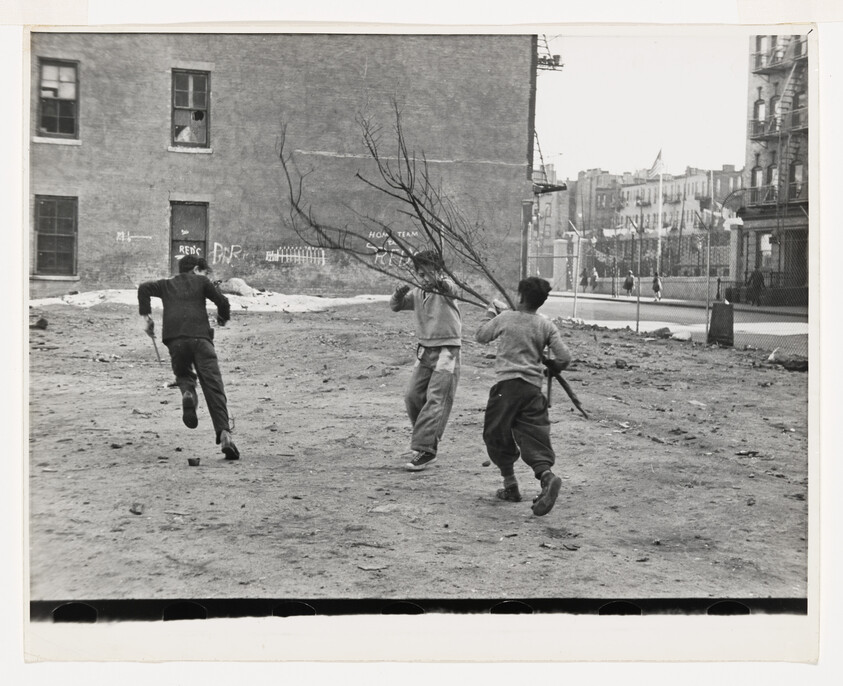
Robert Motherwell
At 61 Fourth Avenue, Robert Motherwell bridged European Surrealism and the emerging Abstract Expressionist movement in New York. His Elegies to the Spanish Republic, which he began during his time here, remain some of his most powerful works — stark, abstract meditations on war and loss. Motherwell’s works, also in the Whitney’s collection, embody the intellectual and emotional depth that South of Union Square helped cultivate.
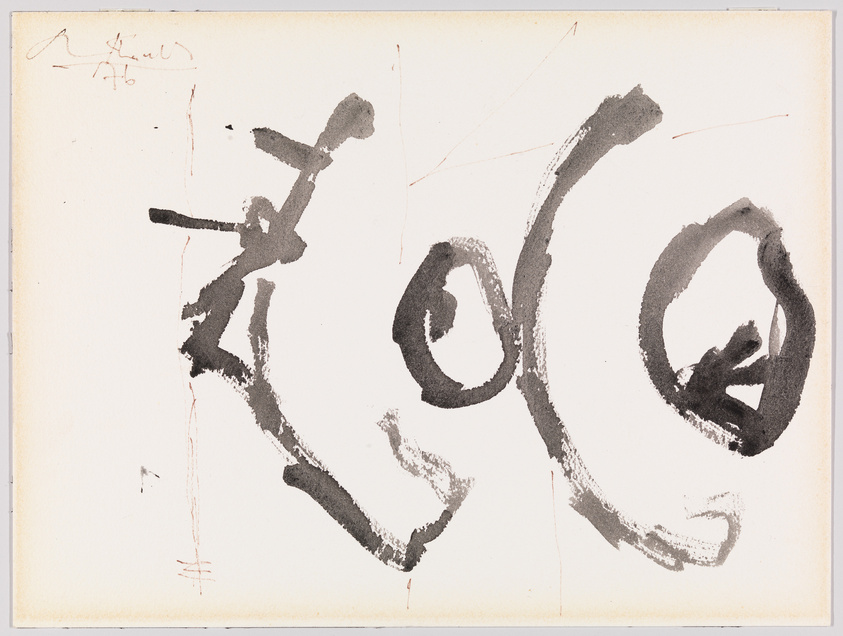
Jean-Michel Basquiat and Keith Haring
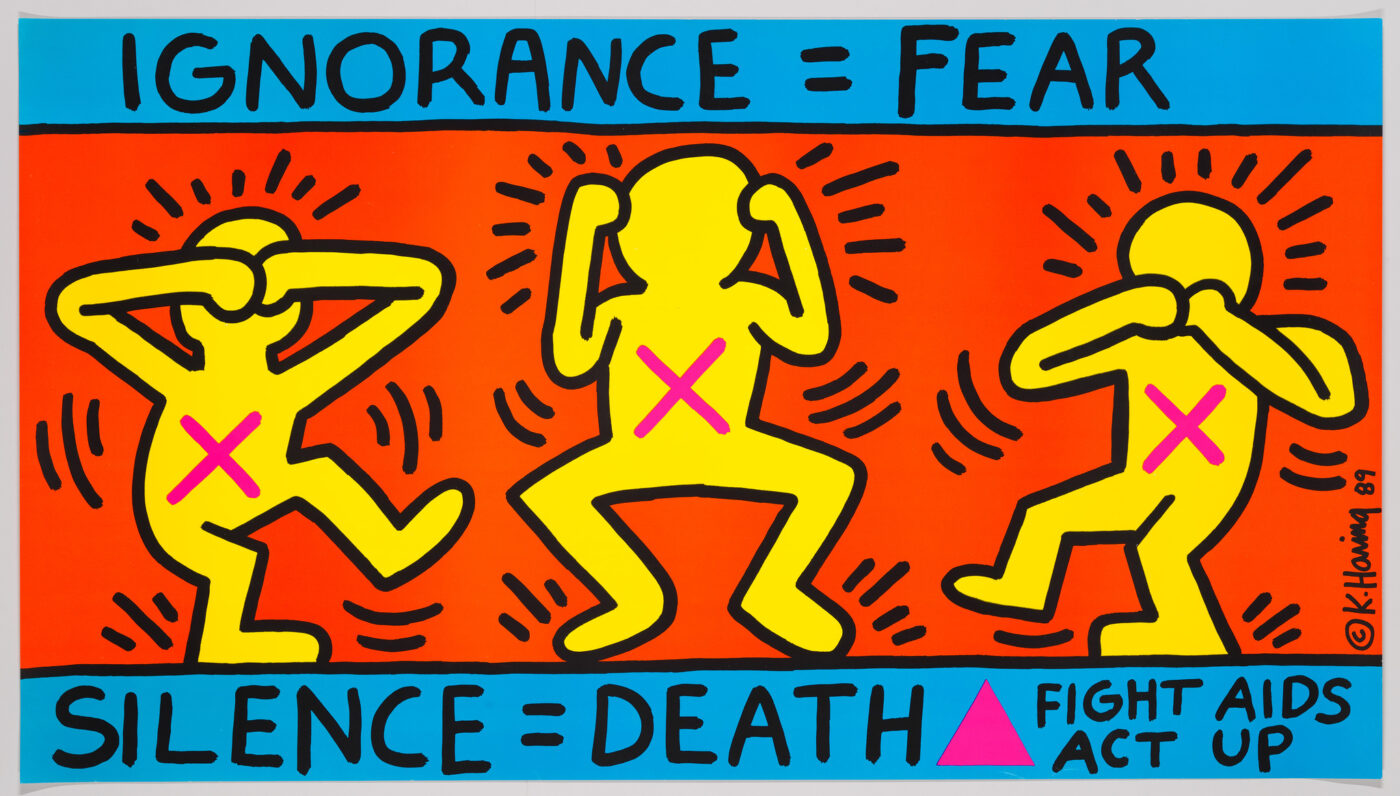
South of Union Square continued to serve as a hub of creative energy and artistic innovation into the 1980s. Jean-Michel Basquiat and Keith Haring both had strong connections to the area, contributing murals and mixed-media works that fused street art with social commentary.
When the former Academy of Music at 126 E. 14th Street was converted to the Palladium Nightclub by Studio 54 impresarios Steve Rubell and Ian Schrager in 1985, they brought in artists including Basquiat and Haring, along with the likes of Francesco Clemente and Kenny Scharf, to adorn the space with huge artworks they painted on ceilings, walls, and staircases. The club, which remained in operation until 1997, attracted these and other notable art world figures.
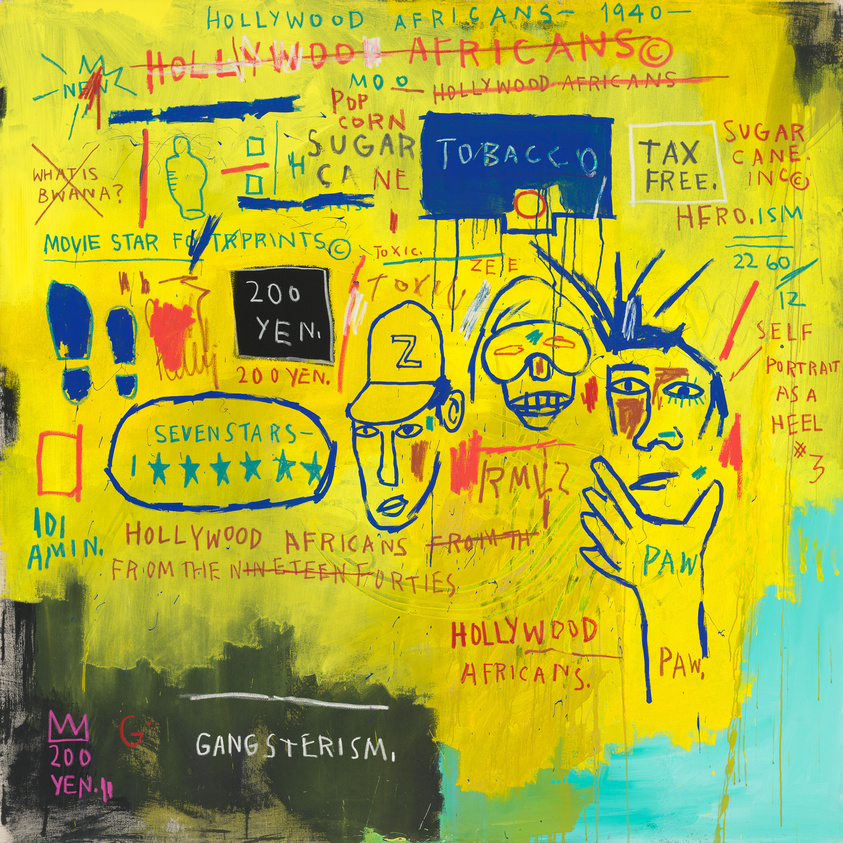
The Whitney’s holdings of both artists capture their revolutionary spirit, rooted in the same streets where earlier generations of artists broke barriers.
Learn more about these and the many other artists who lived and worked South of Union Square in Village Preservation’s thoroughly-researched report; our virtual South of Union Square Artists Tour, which highlights just some of the key places where artists lived, worked, and gathered in the nieghborhood; and via our blog series on the subject.
And click here to urge the City to support landmarking the South of Union Square Historic District, which will ensure the buildings that represent this important layer of history are protected.