
Expanding the Premise (and Promise) of Preservation
What we recognize as landmarks and preserve says a lot about who we are. It tells us what we value, as well as what (by omission) we may prefer to ignore. It also helps shape our future, by defining how we see our past, where we came from, and how we got to where we are today.
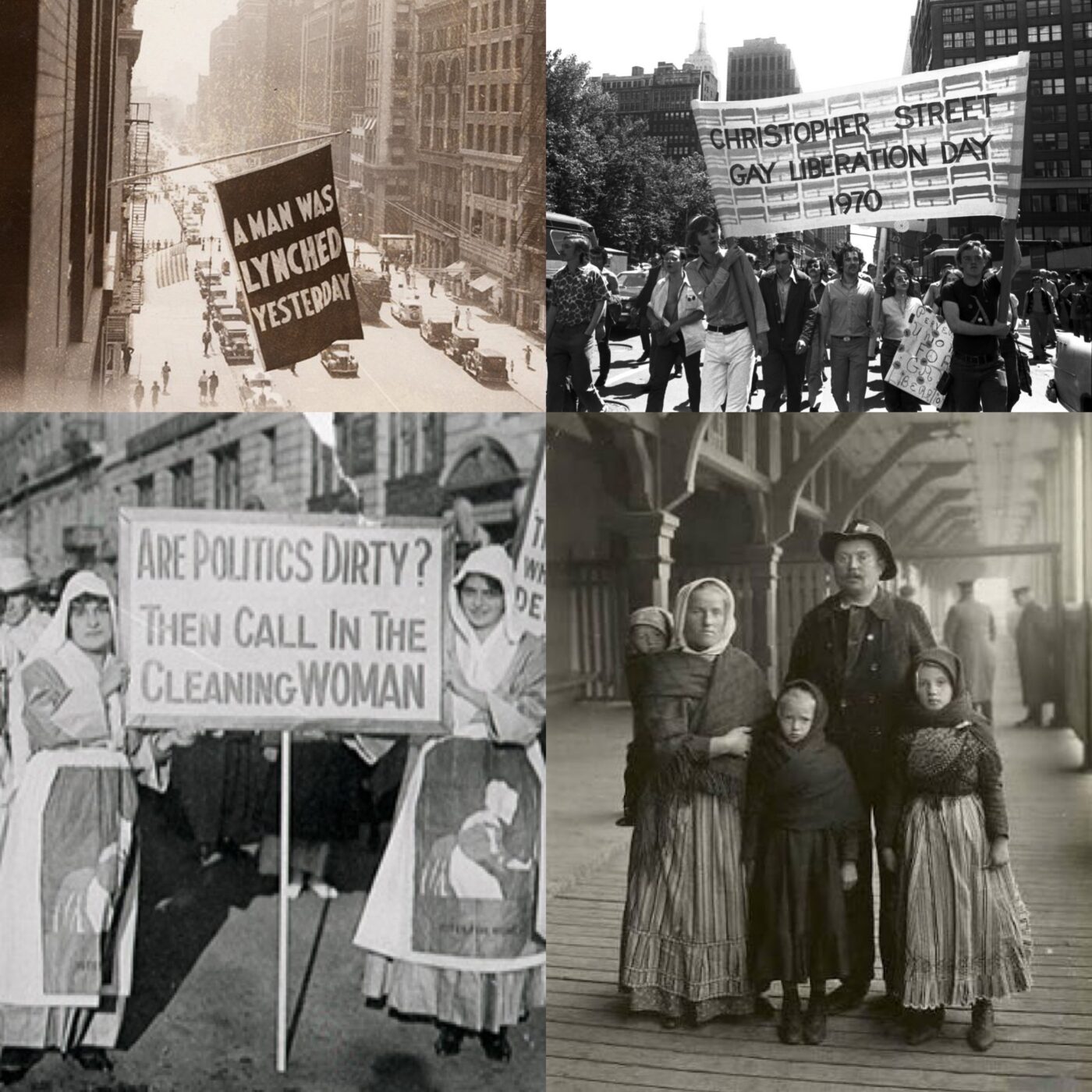
The preservation movement historically focused largely on great monuments, and sites connected to captains of industry, Founding Fathers, and people, locations, and institutions considered central to the traditional narrative of the American story.
Village Preservation, founded in 1980, has worked to change that. We’ve made a priority of expanding the definition of preservation and of a landmark, to include previously-overlooked, undervalued, and ignored histories, communities, events and institutions. Because our neighborhoods are such rich amalgams of varied peoples and movements, often operating on the margins of conventional society, we’ve had much material to work with, and have made remarkable progress in broadening the tent of preservation to embrace a much fuller picture of our city and country. But we also have a long way to go, and continue to face fierce headwinds and resistance from the City, which all too often refuses to recognize and protect these places, or will do so only under extreme pressure.
Here are some examples of the advances we’ve made and the fights we’re still waging:
LGBTQ+ History
We’ve played a leading role in advancing the recognition and preservation of LGBTQ+ history, so much of which can be found in our neighborhoods.
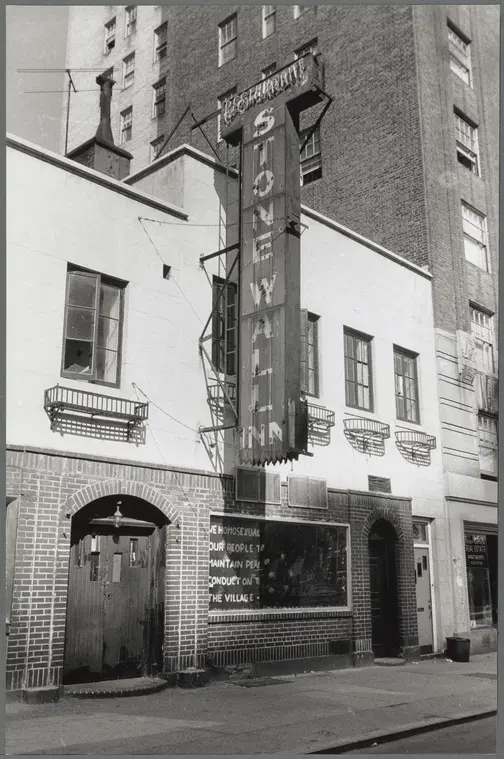
- In 1999, Village Preservation was co-applicant for listing the Stonewall Inn on the State and National Registers of Historic Places — the first such federal recognition ever for a site connected to LGBTQ+ history. In 2015 we secured NYC landmark designation of the site, and in 2016 we supported the campaign to have Stonewall declared a national monument — the highest form of recognition a historic site can receive.
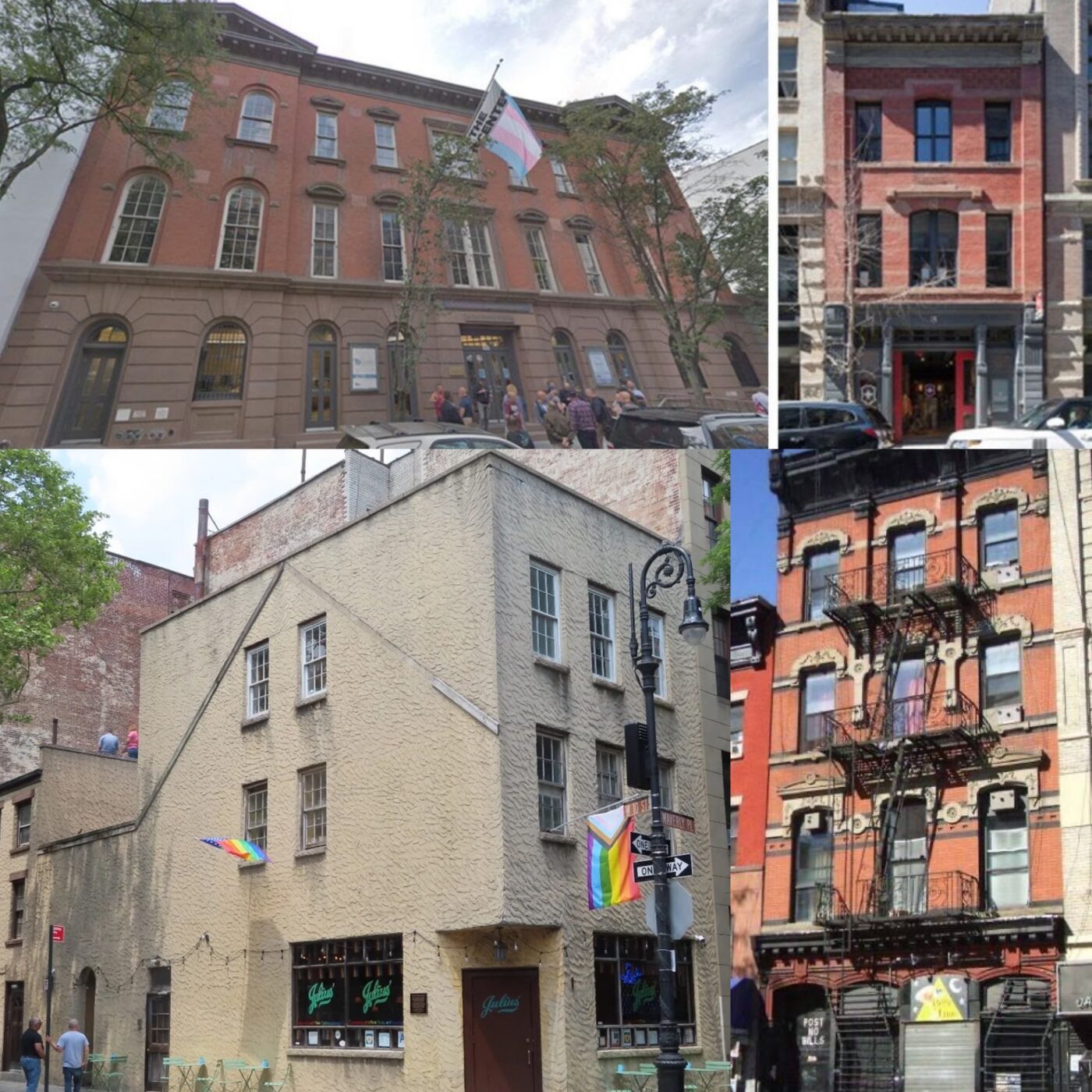
- Some other LGBTQ+ sites for which we helped secure landmark designation include Julius Bar, the city’s oldest gay bar and site of the pioneering “Sip In” in 1966; the LGBT Community Center; the Gay Activists Alliance Firehouse; Caffe Cino (the birthplace of gay theater); and the Pyramid Club at 101 Avenue A(birthplace of Wigstock and drag performance art). Several of the historic districts which we’ve proposed or helped secure designation of also include multiple sites connected to LGBTQ+ history, including Gansevoort Market (the Meatpacking District), the Weehawken Street Historic District, the South Village Historic District, and the East Village/Lower East Side Historic District.
In spite of this incredible progress, multiple critical LGBTQ+ history sites in our neighborhood for which we are fighting for landmark designation remain unrecognized and unprotected by the City. One is the former headquarters of the country’s first national gay rights organization, the National Gay Task Force, which secured trailblazing breakthroughs for gay rights from 80 Fifth Avenue in the post-Stonewall era of the 1970s and early 80s. It’s located within our proposed South of Union Square Historic District, which the City continues to resist designating, which also includes sites connected to other critical LGBTQ+ figures, including blues signer Bessie Smith, poet Frank O’Hara, author Audre Lorde, photographer Robert Mapplethorpe, artists Robert Indiana and Andy Warhol, and playwright and screenwriter Terrance McNally.
Black History
Village Preservation has consistently identified and fought for recognition and protections for sites connected to Black history in our neighborhoods. This includes:
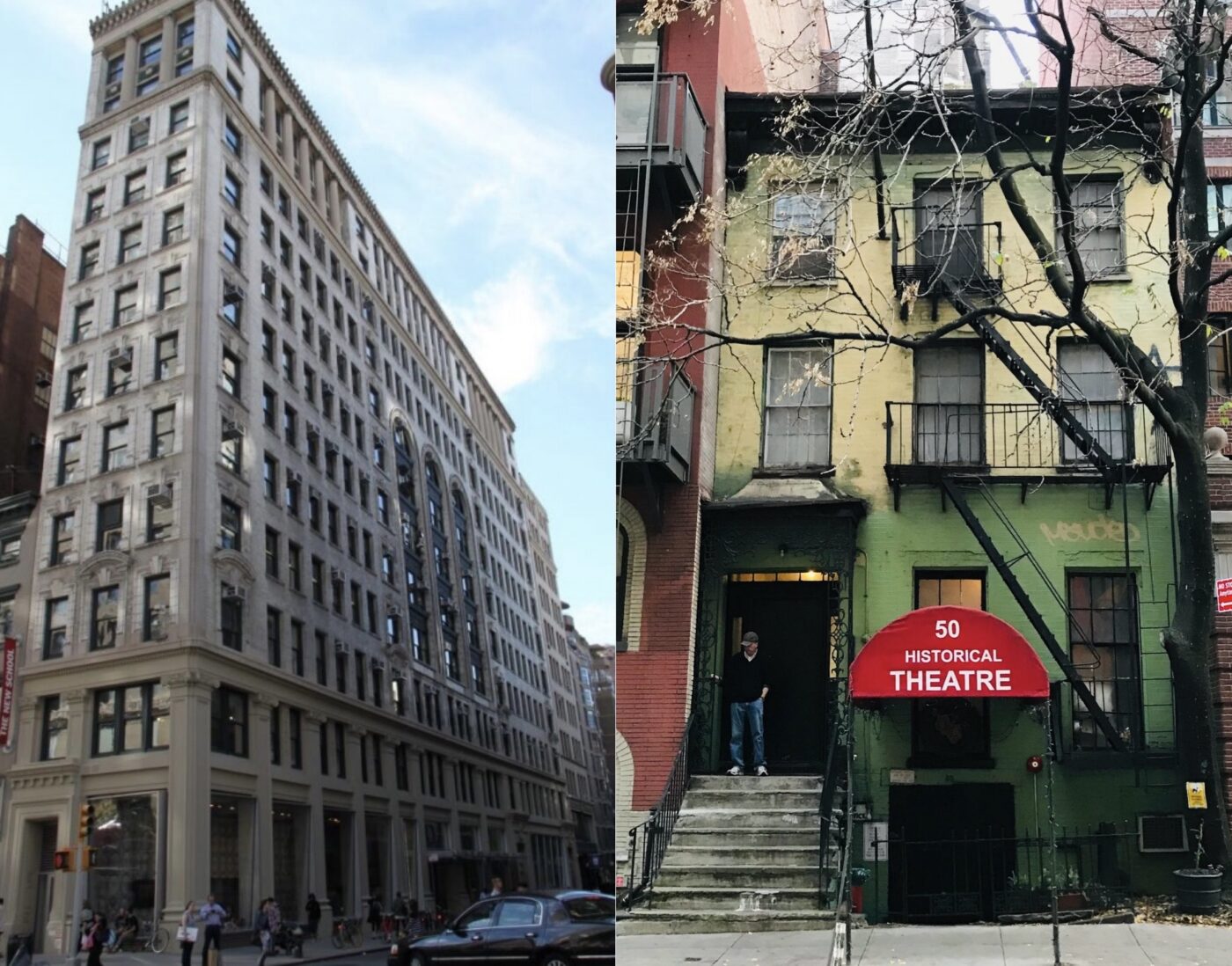
- 70 Fifth Avenue, which we got landmarked in 2021, which housed the headquarters of the NAACP, the country’s oldest and largest civil rights organization during a crucial period in the 1910s and 20s, when they led key battles against segregation, lynching, and employment and housing discrimination from this site. The building also housed The Crisis magazine, the country’s first magazine for Black readers and called “the voice of the civil rights movement,” as well as DuBois and Dill publishing, founded by W.E.B. DuBois, which produced the first magazine for Black children.
- 50 West 13th Street, which our research established was the longtime home of leading 19th century Black businessman and civil rights leader Jacob Day, and which we got landmarked in 2024 after a four year battle with the City to do so. Day fought against slavery and voting rights discrimination in New York State, helping to bankroll important civil rights efforts and providing shelter to leading black civil rights activists.
- The South Village Historic District, which we got landmarked in 2013, included multiple sites connected to the historic “Little Africa” neighborhood centered in the district in the mid-to-late-19th century.
Though this is important progress, there are multiple critical sites in our neighborhood connected to Black history for which we continue to seek landmark designation that the City has resisted. This includes multiple sites in our proposed South of Union Square Historic District, including the site of Billie Holiday’s first recordings, the home of the publishers of “The Autobiography of Malcolm X,” Charles Mingus’ home during a critical phase of his career, the former headquarters of the National Negro Congress, and a host siteswhere trailblazing Black artists, musicians, and writers lived and worked.
Women’s Suffrage and History
There are shockingly few sites in New York City that have been recognized as landmarks for their relationship to historically significant women or the movements for women’s suffrage or women’s rights. We’ve been working hard to change that, with some success, but a long way to go. Progress includes:
- 70 Fifth Avenue, which we got landmarked in 2021. While one of the main reasons for its designation was its role as headquarters of the NAACP (co-founded by Mary White Ovington, Ida B. Wells, Mary Church Terrell, Lillian Wald, and several other women), this building was also deemed historically significant for housing the headquarters of The Crisis Magazine, the “voice of the civil rights movement” and key organ of the Harlem Renaissance, whose literary editor was Jessie Redmon Fauset and which served as a vocal proponent of women’s suffrage. No. 70 Fifth Avenue was also landmarked due to its housing the headquarters of Women’s Peace Party, led by Crystal Eastman, which eventually became the American chapter of the Women’s International League for Peace and Freedom, which has chapters in 37 countries, is the oldest women’s peace organization in the United States, and is considered one of the first manifestations of the modern peace movement in America.
- 50 West 13th Street, which we got landmarked in 2024, was designated in part for its connection to black abolitionist and civil rights advocate Jacob Day, but also for housing trailblazing 19th century black suffragist and educator Sarah Smith Garnet, as well as the 13th Street Repertory Theatre, founded and directed by Edith Lyons.
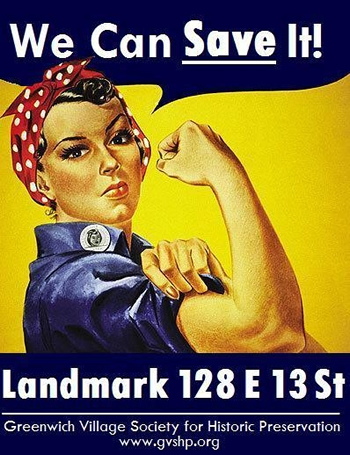
- 128 East 13th Street, which we saved from imminent demolition and got landmarked in 2012, which served as an assembly line training center for women during World War II.
However, we continue to face stubborn resistance to several other women’s history sites we have campaigned to have landmarked within the unprotected area South of Union Square, including:
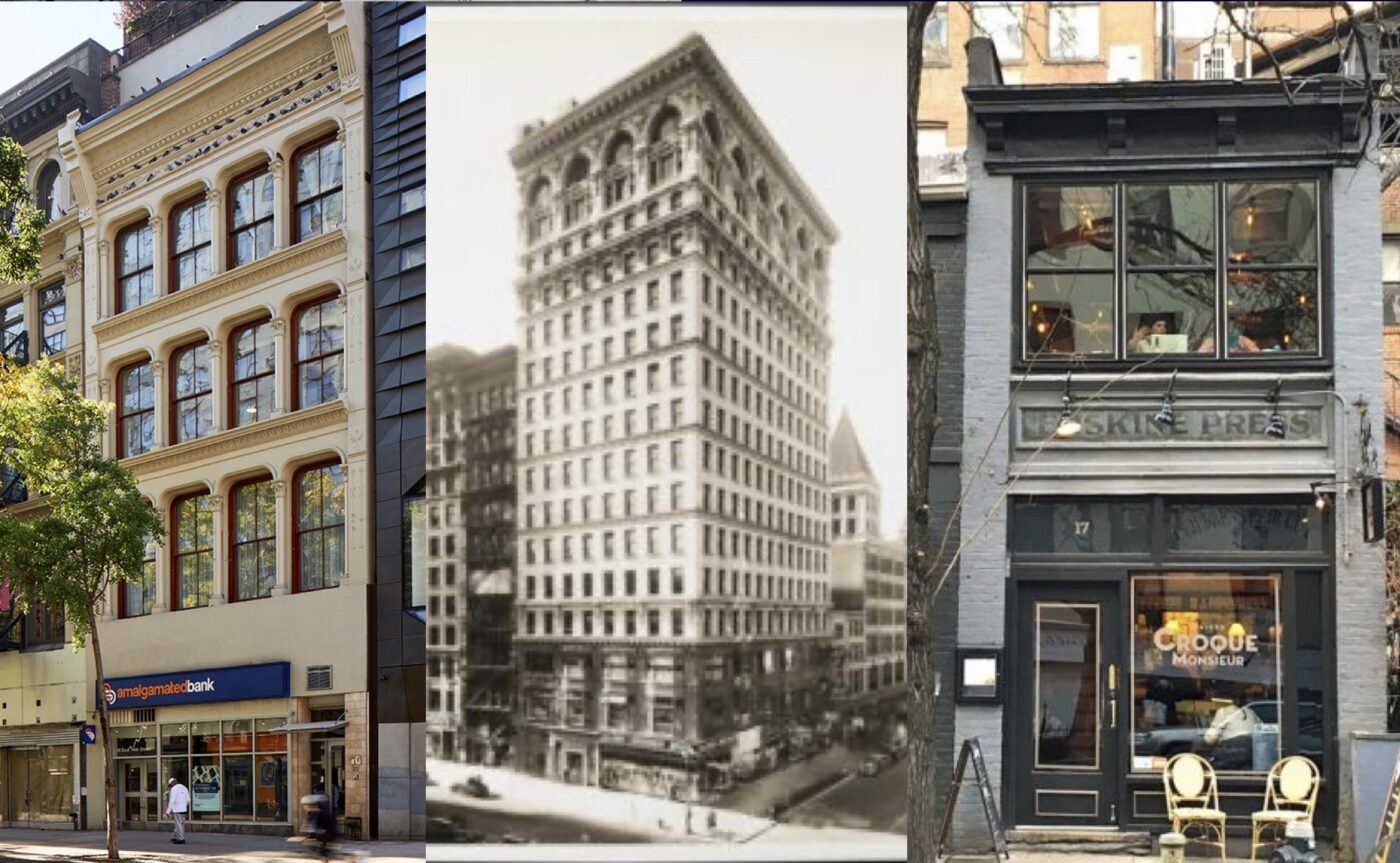
- 10 East 14th Street, the headquarters of the NYC Woman Suffrage League, which led the fight to extend the franchise to women in New York in the late 19th and early 20th century.
- 80 Fifth Avenue, the headquarters of the International Worker’s Order, which offered the very first contraception health insurance coverage.
- 80 University Place, the former home and office of first woman doctor in America and public health pioneer Elizabeth Blackwell.
- 64-66 Fifth Avenue, home of mother of modern dance Martha Graham’s first studio for over twenty years.
- 88 East 10th Street, the longtime home and studio of trailblazing sculptor Selma Hortense Burke.
- 55 Fifth Avenue, where Bessie Smith, Ethel Waters and Billie Holiday recorded (for Holiday, her very first recordings), and Betty Friedan’s “The Feminine Mystique” was published.
- 17 East 13th Street, where Anais Nin’s personal printing press was located allowing her to self-publish her groundbreaking works.
- 814 Broadway, where Elizabeth Blackwell, an ardent abolitionist and first female doctor in America, established the Women’s Central Association of Relief during the Civil War, which was the precursor of the American Red Cross.
Immigrant History
The first and only historic districts in New York City designated primarily to honor immigrant history were ones proposed and/or advocated for by Village Preservation. These include:
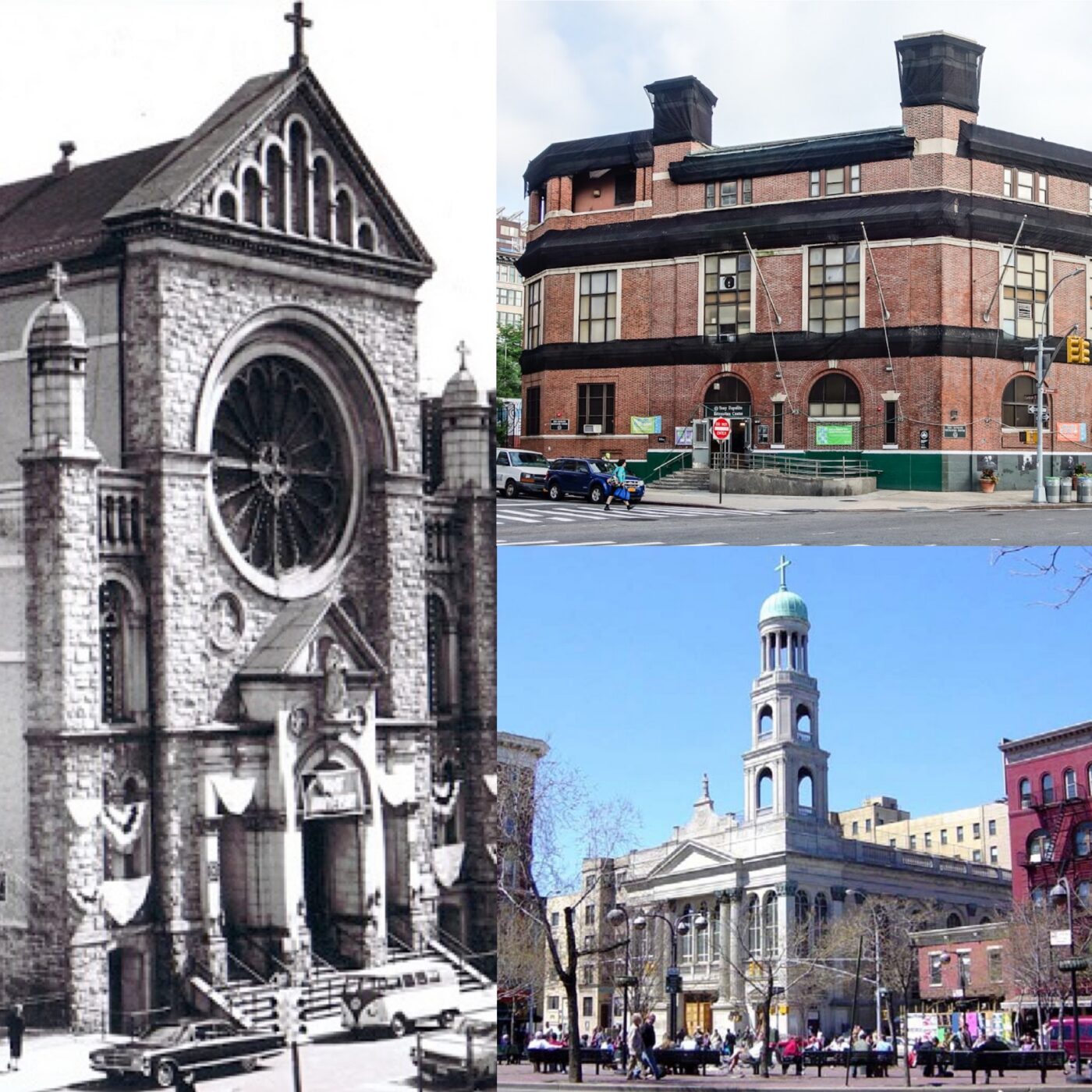
- The Greenwich Village Historic District Extension II, designated in 2010, which includes sites such as Our Lady of Pompeii Church, Father Demo Square, and the Tony Dapolito Recreation Center (formerly the Carmine Street Public Baths).
- The East Village/Lower East Side Historic District, designated in 2012, which includes a broad range of sites connected to Jewish, Italian, German, Ukrainian, Hungarian, other immigrant histories.
- The South Village Historic District, designated in 2013, which includes a host of buildings and institutions connected to the Italian immigrant history of this neighborhood.
- The Sullivan Thompson Historic District, designated in 2016, which contains St. Anthony of Padua Church, the first Italian American church constructed in this country, and a wide array of housing and institutions dedicated to the neighborhood’s historic Italian and Portuguese immigrant communities.
We are currently also seeking landmark designation for our proposed South of Union Square Historic District, which has an incredibly rich and varied immigrant history, as well as for the endangered Most Holy Redeemer Church at 173 East 3rd Street, a 150 year old institution that was founded by and for and has served generations of immigrants.
Affordable Housing
The design and evolution of housing based not upon profit but on providing quality homes for all regardless of income is an important part of our city’s and our neighborhoods’ histories. We’ve endeavored to celebrate and preserve this rich history through landmark designation. Sites include:
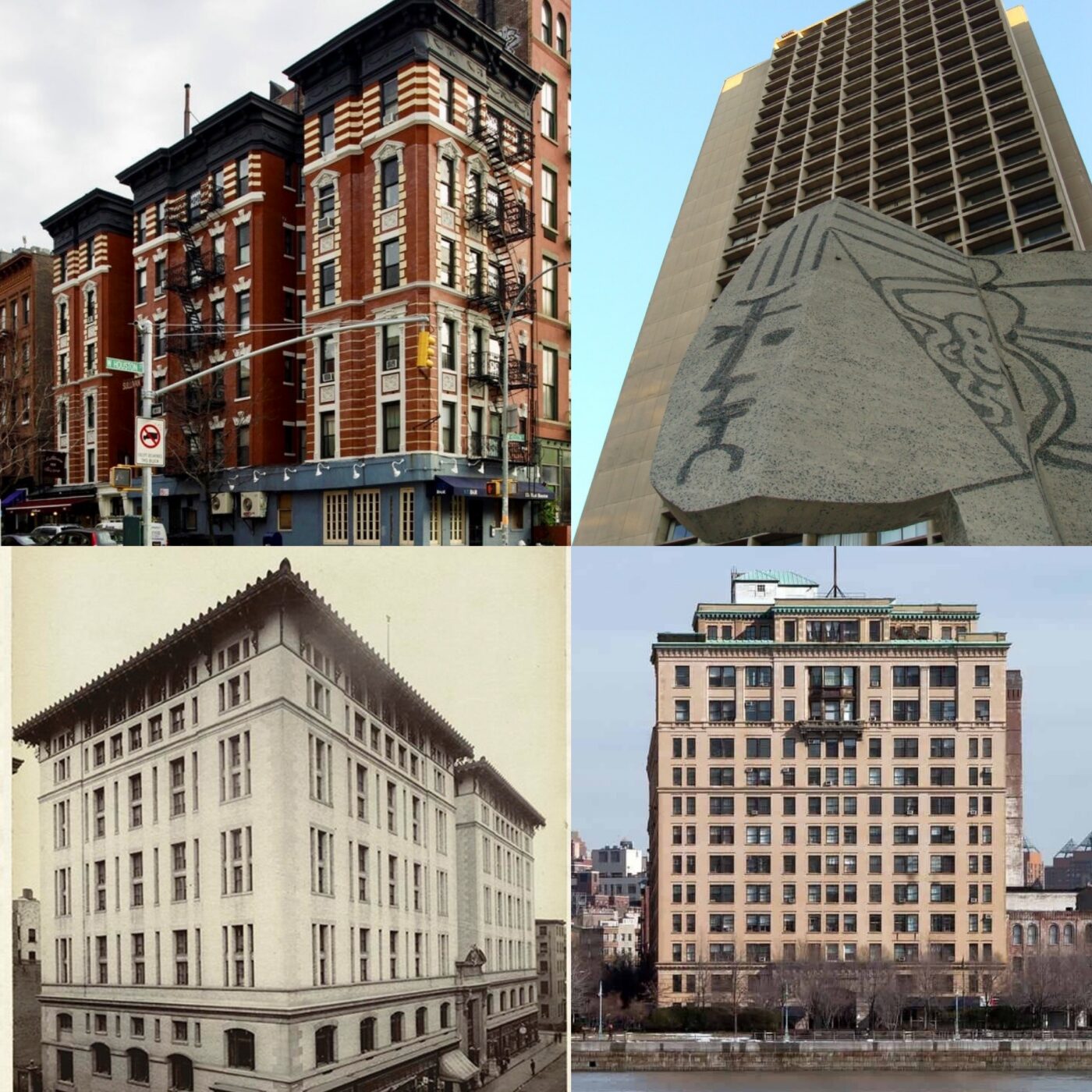
- Westbeth Artists Housing, which we proposed for and secured landmark designation of in 2011, which was the nation’s first large affordable housing complex for artists, constructed out of the abandoned Bell Telephone Labs along the Greenwich Village waterfront at West and Bethune Street.
- University Village/505 LaGuardia Place, which we proposed for and secured landmark designation of in 2008, and includes 174 units of affordable housing for longtime neighborhood residents. Designed by renowned architect I.M. Pei and surrounding a gigantic concrete Picasso sculpture, it’s considered one of the best examples of 1960s brutalist architecture and urban renewal designs.
- Both the South Village and Sullivan Thompson Historic Districts for which we secured landmark designation contain significant and noteworthy examples of “reform housing“ from the late 19th and early 20th centuries, designed to provide improved humane housing for immigrants and those of little or modest means. This includes the former Mill’s House No. 1 at 160 Bleecker Street and the Citizens Investing Corporation model tenements on Sullivan and Thompson Streets.
- Additionally, those districts as well as the East Village/Lower East Side Historic District and the Greenwich Village Historic District Extension I, which we also proposed or advocated for designation, contain perhaps the nation’s highest concentration and broadest array of working class housing from the late 19th through the early 20th century, and show the evolution in regulations around housing the poor designed to improve health and safety and to raise living standards.
Hispanic/Latino History
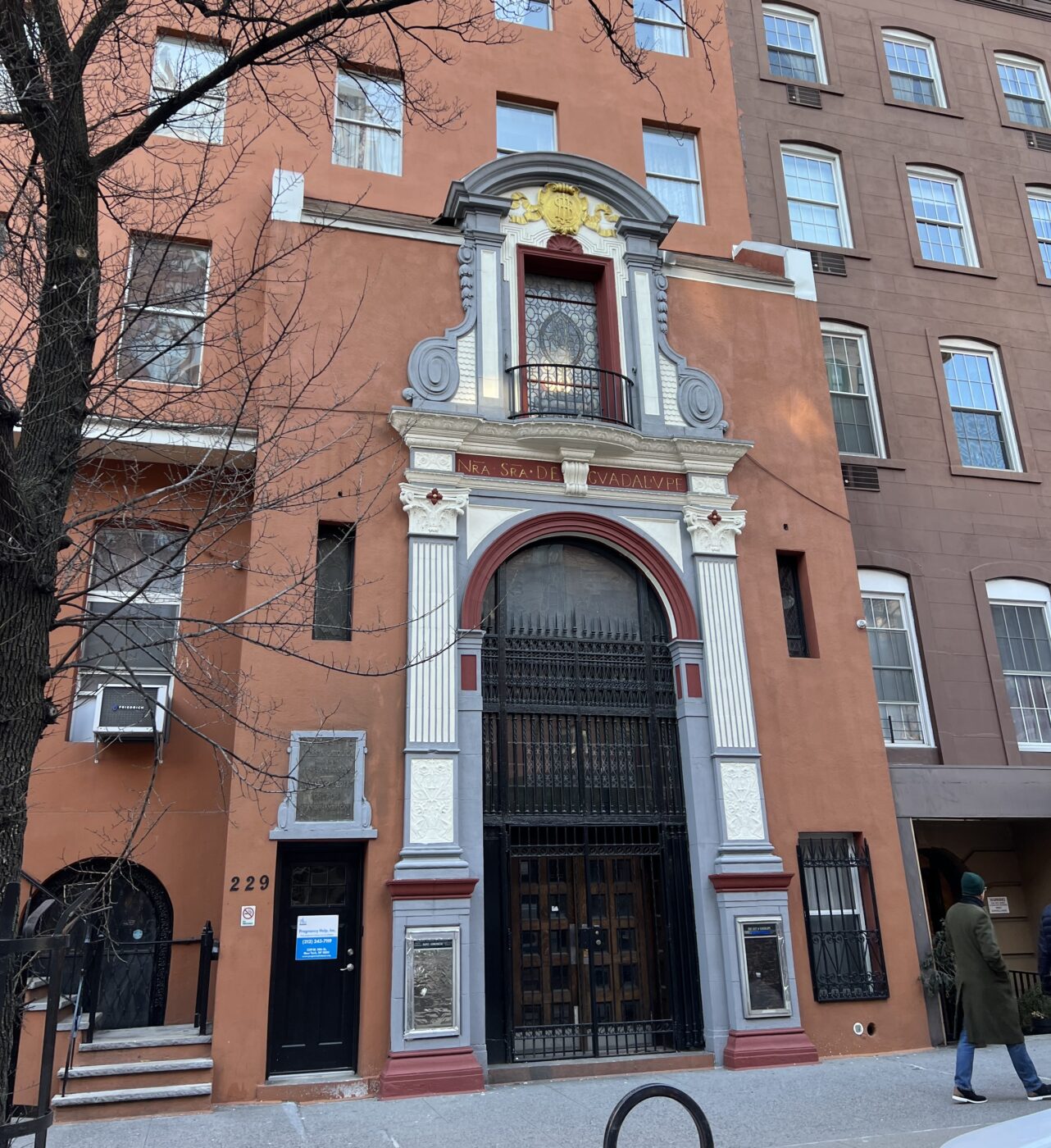
We are actively campaigning for landmark designation of what was the city’s very first Spanish-language church, Our Lady of Guadalupe at 229 West 14th Street, which was established in 1905 at this location. Currently endangered, the city has thus far refused to consider landmark designation of the site, but we are hopeful that a new mayor and a new Landmarks Preservation Commissioner may take a fresh look at this proposal, particularly considering how few sites in New York City honor Hispanic or Latino history, in spite of about 30% of our city’s population being of Hispanic or Latino origin.
History of People with Disabilities
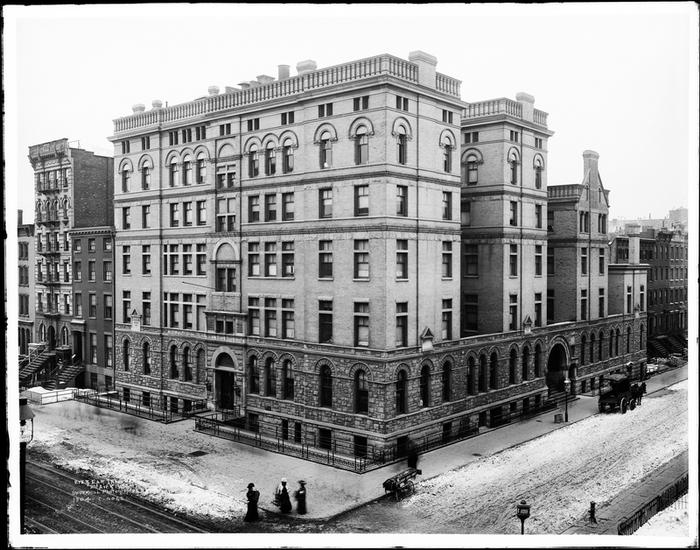
No landmarked site in New York City honors or reflects the history of people with disabilities, in spite of people with disabilities comprising a large segment of our population. We are seeking to change that, working in concert with both disability rights groups and current and former staff and patients of the New York Eye and Ear Infirmary at 218 Second Avenue at 13th Street. The second oldest hospital in New York City and the oldest specialized hospital in the Western Hemisphere, this institution founded by “the fathers of American ophthalmology” has played a trailblazing role in providing care and service to people with visual and hearing impairments for over two centuries. The oldest section of its historic building dates to the 1850s; its newest section, opened in 1903, had its ribbon cut by Helen Keller. In spite of the danger the building currently faces, the Landmarks Preservation commission has thus far refused to move ahead with landmark designation — help us change that HERE.
A more expansive view of preservation and landmarking benefits everyone, telling a more accurate story of our past and ensuring we all feel included in its future. Village Preservation will continue to advocate for expanded landmarks protections that reflect the diversity of our city and the communities who helped shape it, and we invite you to join us in doing so.
- 101 Avenue A
- 128 East 13th Street
- 50 West 13th Street
- 70 fifth avenue
- Affordable housing
- African American history
- Black History
- civil rights
- disability history
- Gay Activist Alliance Firehouse
- immigrant history
- Julius Bar
- Julius'
- Latino History
- LGBT Activism
- LGBT History
- New-York Eye and Ear Infirmary
- Our Lady of Guadalupe
- Preservation
- Suffrage
- Tony Dapolito Recreation Center
- Westbeth
- Women's history